
When the Platform Becomes the Policy
The EU is taking Meta to court over WhatsApp AI access. The Dutch government is quietly switching messengers. Both point to the same structural shift.

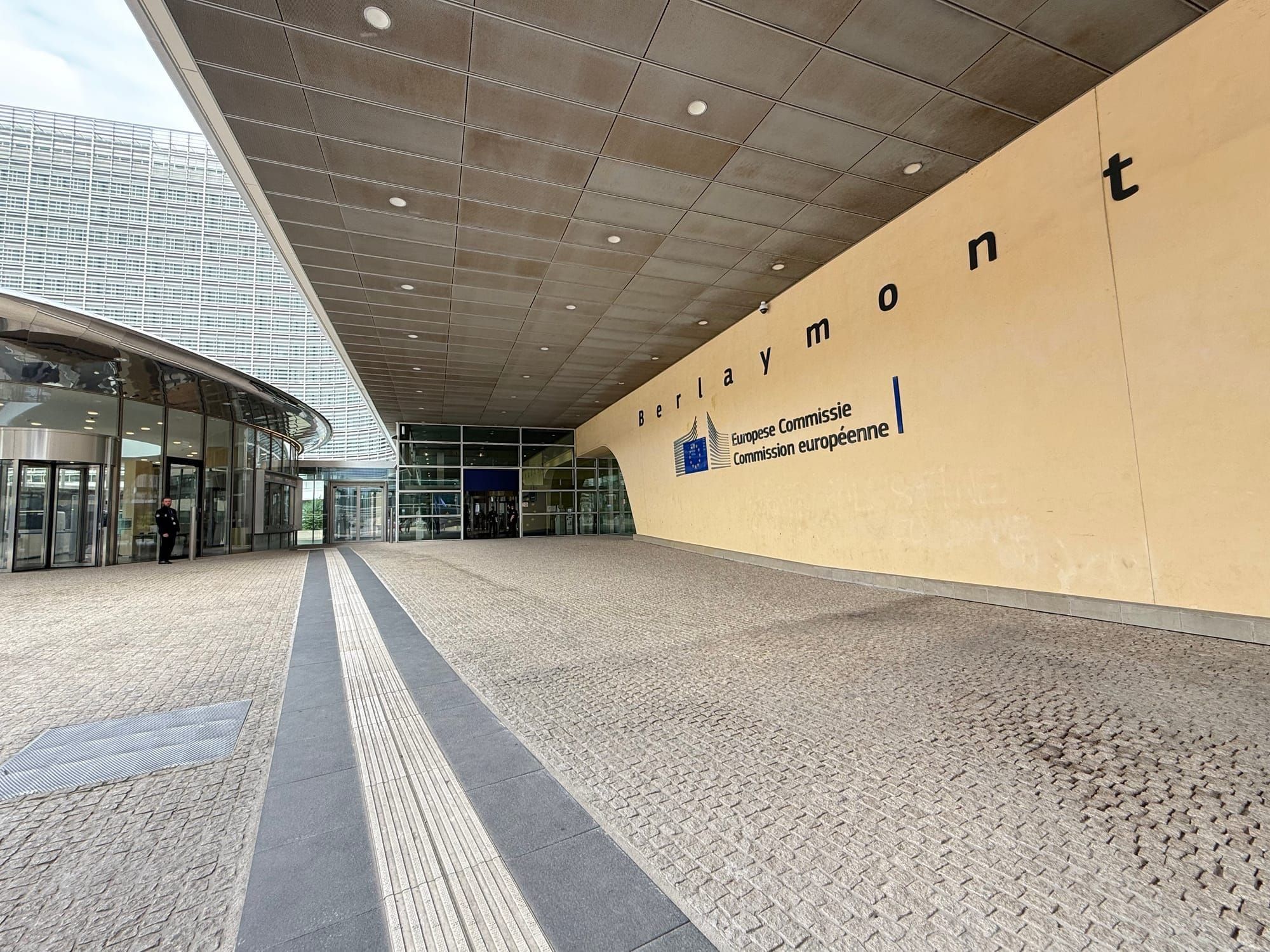
The Dutch state secretary for Digital Economy and Sovereignty now communicates with a small group of civil servants via a European messaging app. Which one? Her spokesperson won't say. The initiative is, as they put it, "still in its infancy." But the announcement itself is what matters. The Dutch government has concluded that its dependency on WhatsApp and Signal is a risk worth managing.
That is late, in European terms. France has been running Tchap for government use since 2019. The Bundeswehr has had its own messaging infrastructure for years. Belgium launched Beam for 750,000 civil servants and military personnel last month. But the direction is now consistent across EU member states, and the reasons have shifted.
Beyond Privacy
This is no longer primarily about privacy ideology. It is about geopolitics. With the US increasingly willing to use technology as a lever of power, the question "can we access our own data tomorrow?" has moved from paranoid to prudent. A January survey by SWG found that 59% of Europeans already consider a US block on digital services a realistic scenario; 86% consider it at least plausible. Governments are drawing the obvious conclusions.
What is less obvious is that the same logic applies to businesses, just more quietly.
The AI Access Dispute
While governments look for messaging alternatives, the European Commission is fighting a separate but related battle. It has now sent Meta a second "charge sheet" over the fees Meta wants to impose on external AI providers, including OpenAI and Anthropic, for access to the WhatsApp Business platform.
The sequence is telling. Meta first banned third-party AI providers outright. When the EU challenged that, Meta introduced a pricing model: 5 to 13 cents per message for external AI chatbots. Meta AI, its own assistant, pays nothing. The Commission's position is that this is the same outcome in different legal clothing: a structure designed to foreclose competition in favour of Meta's own AI product.
For most businesses running a WhatsApp chatbot today, the direct impact is limited. What changes if Meta prevails is the competitive landscape for AI assistants at scale. If a platform can effectively exclude rival AI providers, the choice of assistant is no longer yours to make.
Platform Dependency as Risk
WhatsApp reaches over 85% of the Dutch population. For businesses, that makes it close to mandatory infrastructure. The problem with mandatory infrastructure is that you stop thinking about it as a choice.
A pricing change, a policy update, an account suspension: these arrive without negotiation. What the Dutch government is framing as a sovereignty question is, for businesses, a more familiar concept. It is supply chain risk, applied to communication infrastructure. When you build your entire customer contact layer on a single platform, you have created a single point of failure you did not consciously design.
The government pilot is small and tentative. But it reflects something that has been accumulating for a while: the recognition that neutral infrastructure is a fiction. WhatsApp is a platform with commercial interests, regulatory entanglements, geopolitical exposure, and an AI strategy that is now under formal legal challenge. Those are not abstract conditions. They are conditions that shape what you can build on top of it.