When the Future Starts Knocking Quietly
What feels like a tech abstraction today may end up rewriting our notions of trust, identity and privacy sooner than we expect. The quantum future has begun.


I recently had a long and stimulating conversation with someone I had not met before. His name is James Myers, publisher of The Quantum Record and a Canadian accountant with a deep interest in how our systems of value and knowledge have developed.
What began as an exchange on accounting and trust turned into a wake-up call about something I had been treating as distant: quantum computing.
From Numbers to Trust
Our first topic concerned how societies record value. Accounting seems technical on the surface, but beneath every entry lie choices about what matters, what lasts and what deserves protection.
We discussed trust, the vulnerability of democracy and the way financial systems can drift away from the tangible world they are meant to represent.
 James Myers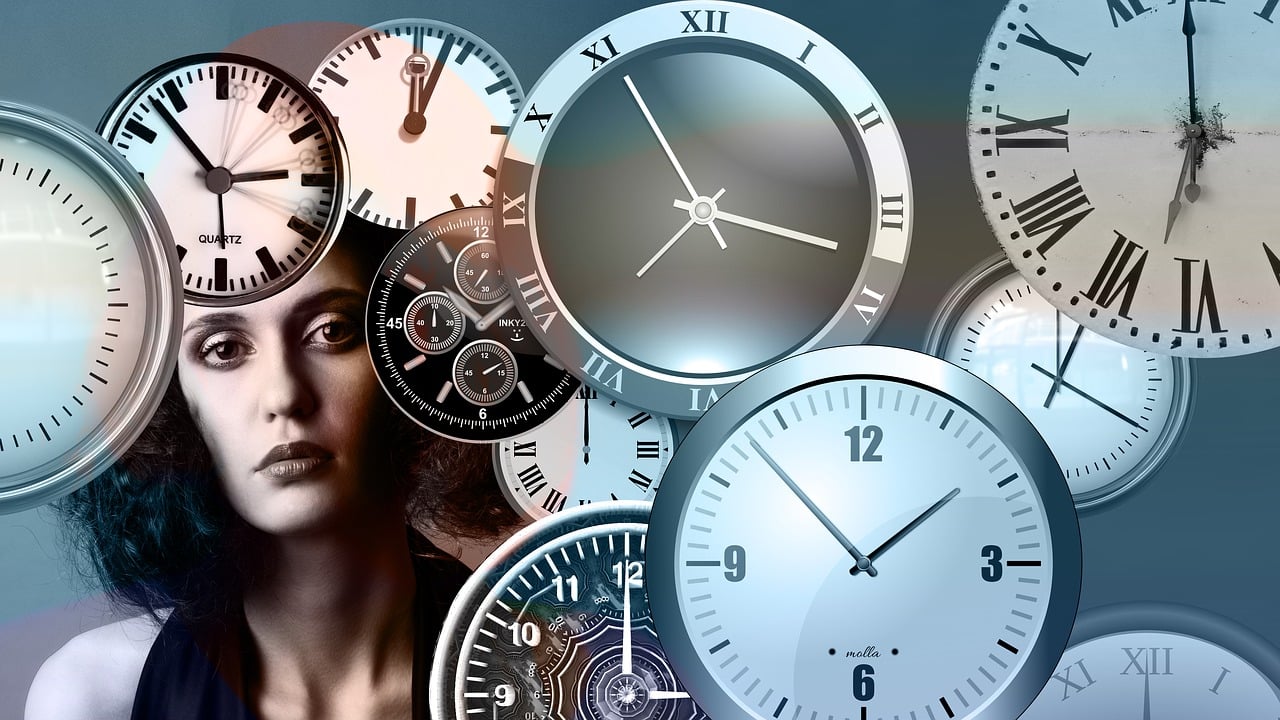
A Shift in Perspective
Late in the conversation, James introduced his current focus. He writes about quantum computing. I had assumed this was a distant horizon, still confined to laboratories. He challenged that view. The landscape is changing sooner than many realise.
Identity and the Quantum Threat
One concrete example changed my sense of timing. Germany has begun issuing identity documents designed to be resistant to attacks from quantum computers.
Cyber security experts have been preparing for this shift for years, yet most people in civic life have never heard of it. The foundations of digital trust can move long before the public sees them move.


Why This Belongs in Public Conversation
This brought us back to our starting point. Value is not only what appears in books. It includes the continuity of trust across generations, and the systems that hold identity, privacy and public life together.
Cryptography is part of that foundation. If quantum capability arrives in practice before it arrives in public attention, we will adapt only after the fact.
A Beginning
This article marks the start of a new enquiry for me. I want to understand what quantum computing means for societies that depend on trust. I plan to look at what is becoming possible, who is preparing and where we still have choices.
I am grateful that James encouraged me to take this seriously. We agreed to continue working together. With his support I will write foundational pieces that help me get a firm grip on the technology, while also beginning to reflect on the implications for the systems that keep our societies stable and free.


 Rob Hoeijmakers