
Streams and Archives: Two Ways of Living with Our Digital Data
Personal data lives in two worlds: flowing streams of fresh information and enduring archives of credentials. Both shape our digital future.

Working with clients in the AI and digital services space, I keep running into the same puzzle: they need fresh and reliable data for processes that touch people’s lives: mortgages, insurance claims, job applications. Every time, the question is: where does that data come from, and how should it be handled?
Looking closely, two models emerge. One treats data as a flowing stream, retrieved live and then gone. The other treats data as a personal archive, a set of credentials you hold and re-use. Each model has its own logic. And when placed side by side, they reveal a deeper philosophy of how we live with our digital selves.
Quick takeaways
To make the difference concrete, here are the main contrasts that shape how streams and archives each handle personal data:
- Streams (brokerage): ephemeral flows of current data, fetched directly from the source.
- Archives (wallets): persistent stores of permanent proofs, curated by the individual.
- Use-cases differ: streams fit changing data (income, tax), archives fit stable credentials (diplomas, licences).
- Trust is central: streams rely on live institutional connections; archives rely on cryptographic credentials.
- The future is likely a hybrid ecosystem where both models coexist.
Reflection on Identity and Data
Moving beyond the quick contrasts, we can explore the deeper structure. First comes identity, then the models we use to carry it: streams for what changes, archives for what endures. Each layer builds on the other.
Identity is more than a name
Much of the digital identity debate is framed around who you are. But in practice, institutions often care more about what you carry: your education history, your financial position, your eligibility for a benefit. Identity is not just a signature, it is a bundle of data.
Two models, two metaphors
When seen through metaphor, the models come alive. One behaves like a stream rushing past, the other like a library you return to.
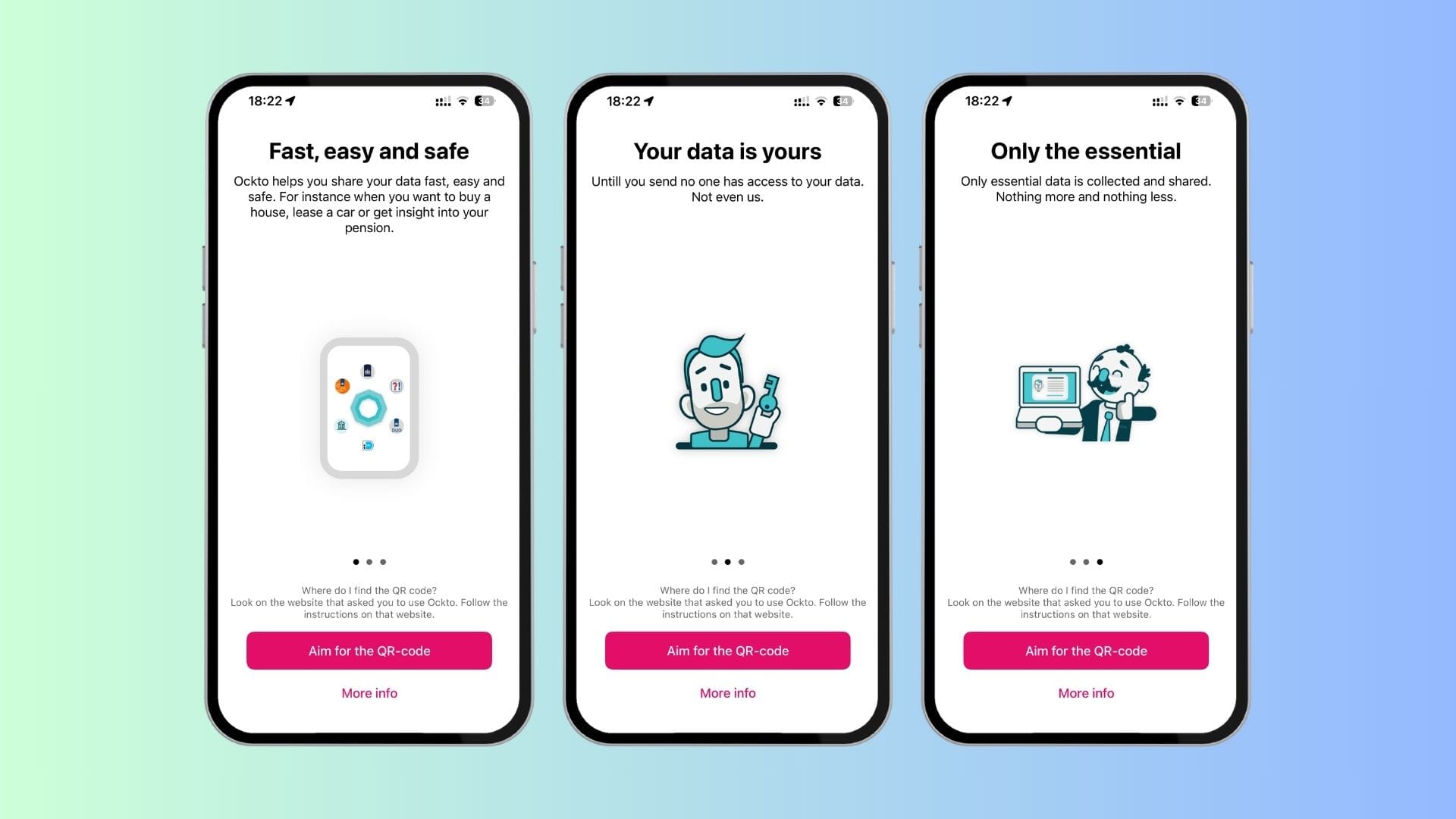
- Streams: A mortgage advisor might ask you to approve a one-time retrieval of tax records and bank balances. You scan a QR code, authorise the flow, and the data rushes through, fresh, accurate, but gone once used. Like water through a pipe.
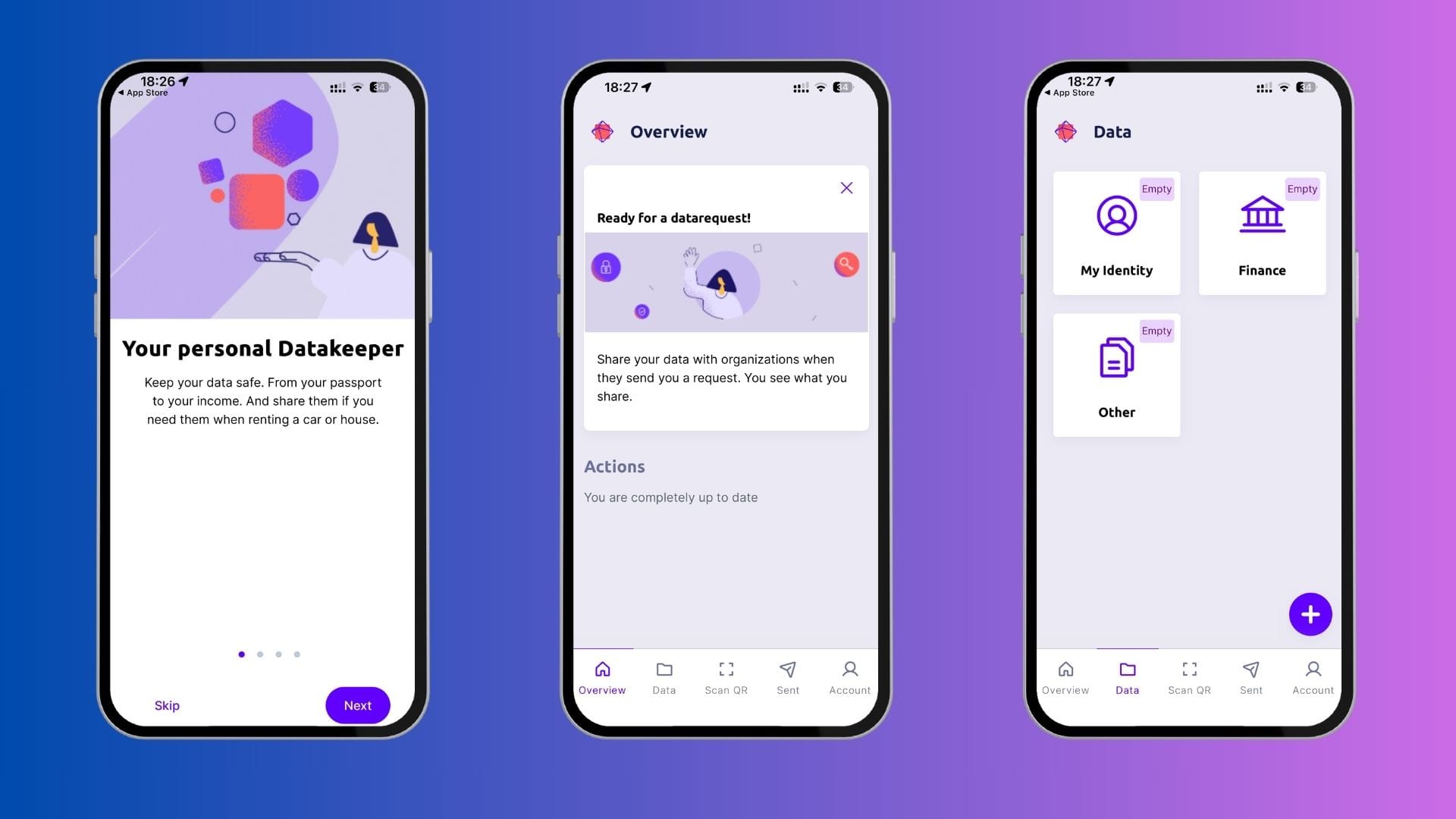
- Archives: An employer may ask for your diploma or professional licence. These don’t change. Once issued, they are more like documents in your personal library. You show them again and again.
Ephemeral and permanent data
Some data changes frequently: monthly salaries, yearly tax assessments, daily account balances. It makes little sense to “own” a copy; what matters is freshness and trust in the live source.
Other data is fixed once issued: a degree, a birth certificate, a qualification. Keeping these in your custody makes life easier than repeatedly requesting them.
Trust architectures
Neither model works without trust but each builds it differently.
- Streams: trust flows from connection to authority. You log in with a government or bank identity, data is fetched directly, and the receiver trusts it because it came live from the source. Trust the pipes, not the container.
- Archives: trust flows from cryptographic proof. A diploma or licence carries a digital stamp. The credential itself demonstrates authenticity, without needing to re-check the issuing body. Trust the document, not the transmission.
Both models are fragile in their own ways. Streams rely on institutions being online and compliant; archives rely on secure standards and the user’s ability to protect their vault.
Europe and beyond
The contrast also shows up when you look around the world. Different regions lean toward different philosophies of handling personal data:
- Europe is investing heavily in the EU Digital Identity Wallet (eIDAS 2.0). This is an archive logic: verifiable credentials, signed and reusable.
- The US tends to operate through data brokers and APIs like Plaid, where live connections matter more than lifelong custody.
- Asia shows hybrids: India’s Aadhaar and DigiLocker combine identity proof with a personal vault; China integrates state-driven flows with super-app custodianship.
 Rob Hoeijmakers
The sweet spot
Neither model suffices on its own. A job application may need both a diploma (archive) and your latest income (stream).
A mortgage requires both an ID document (archive) and current bank balances (stream).
The most human-centred digital ecosystem will orchestrate the two: streams that refresh and archives that endure.
Closing
We may never fully own our data in the strict sense. But we can shape how it is carried: sometimes as a stream that flows through trusted pipes, sometimes as an archive we guard ourselves.
The balance between the two, and the trust architectures behind them, will decide whether our digital systems feel like bureaucracy or like tools for freedom.
 Rob Hoeijmakers
 Rob Hoeijmakers
 Rob Hoeijmakers