From Shopping Cart to Server Rack: How Lidl Builds a European Cloud
From groceries to gigabytes: how Lidl’s parent turned its retail IT backbone into STACKIT, a sovereign cloud based in Germany and Austria.

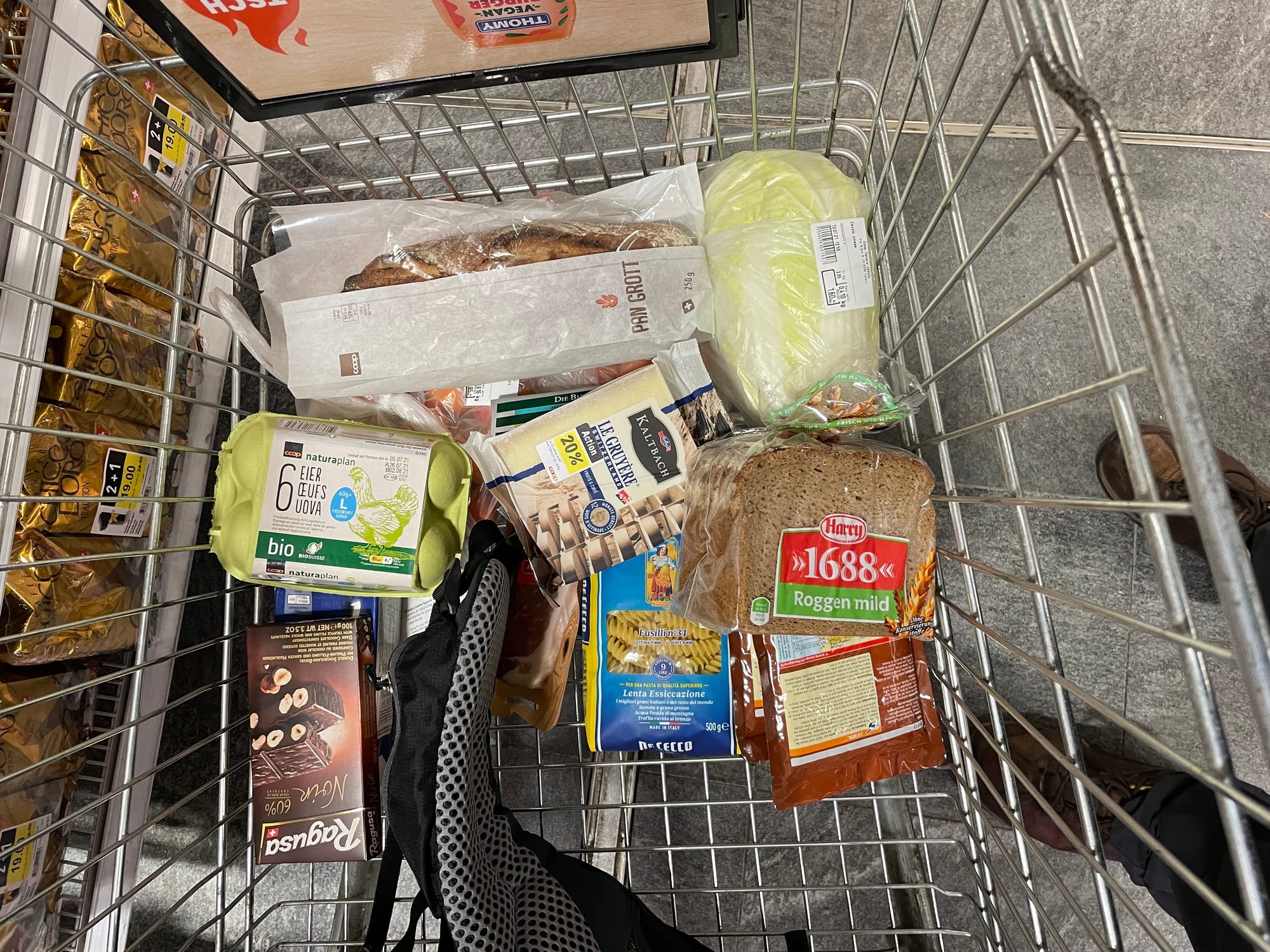
I did not see this one coming. Lidl, the discount supermarket I know for cheap wine, checkout-lane chocolate, and almost militarily efficient aisles, turns out to have its own European cloud platform. Not just an in-house IT system, but a full-blown competitor to the likes of AWS and Microsoft Azure.
It is called STACKIT, and it sits inside the Schwarz Gruppe, the same private, family-owned empire that runs Lidl and Kaufland. At first glance it sounds absurd, a grocer selling cloud computing, but the more I looked into it, the more it made sense. There is even a faint parallel with Amazon: start in retail, master logistics and supply chains, then turn that operational muscle into a technology platform.

From groceries to gigabytes
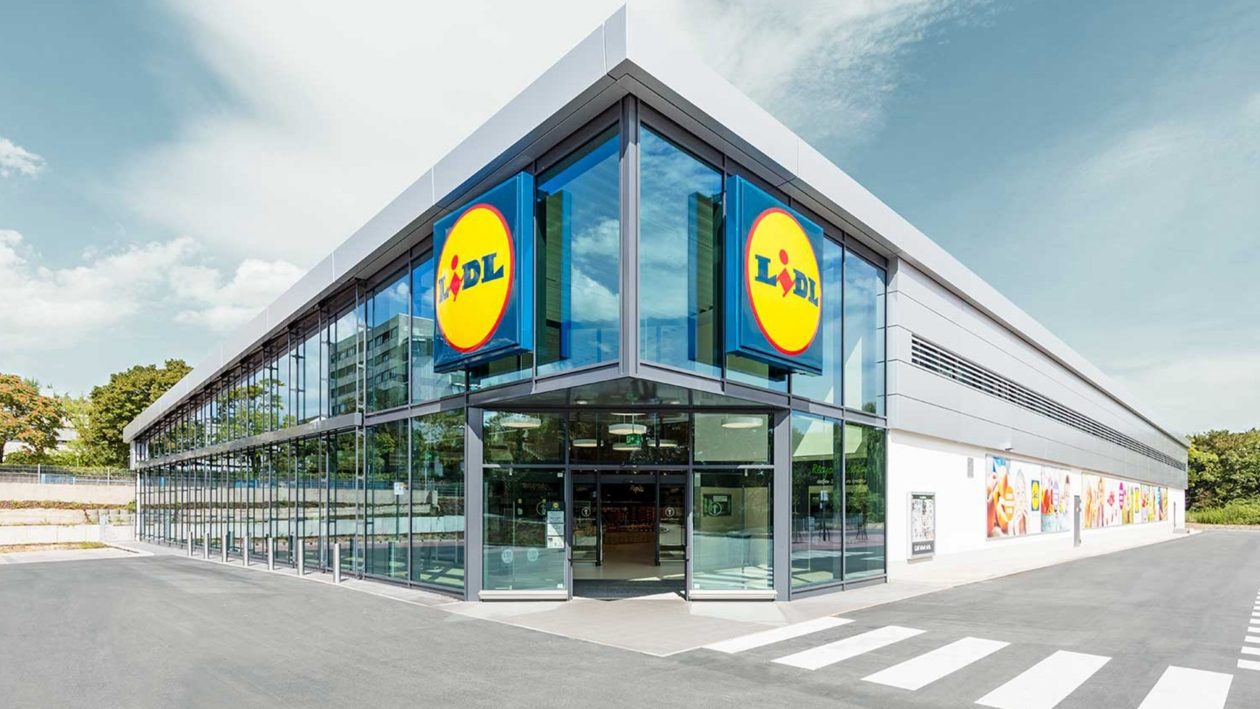
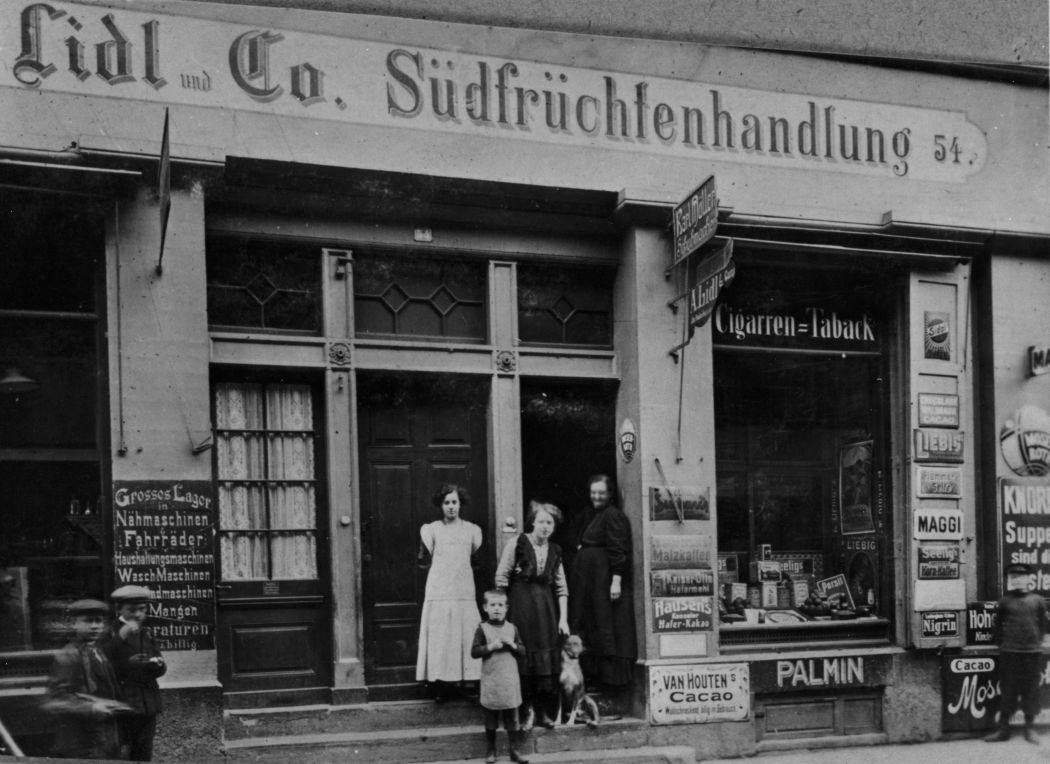
The Schwarz Gruppe’s story begins in 1930 as a wholesale grocer in Germany. Today it is one of the largest retailers in the world, with over half a million employees, around €150 billion in annual turnover, and operations in more than 30 countries. Headquartered in the quiet town of Neckarsulm, Baden-Württemberg, it has built its reputation on low prices, high efficiency, and meticulous control over every part of its operation.
Running Lidl and Kaufland is not just about moving products from warehouses to store shelves. It is about running one of the largest IT operations in Europe: stock control, payment systems, loyalty programmes, e-commerce platforms, all of it must be fast, secure, and always on.
By 2018 the company decided it wanted complete control over that infrastructure. The solution was simple in concept but ambitious in scope: build its own cloud.

The birth of STACKIT
STACKIT began as an internal project, hosted in data centres in Germany and Austria and run by a new division, Schwarz Digits. It was designed to support the immense complexity of the group’s retail network.
The next step was almost inevitable. If this infrastructure could handle the demands of Lidl and Kaufland, it could handle just about anything. The company began offering STACKIT to external clients, positioning it as a “Business Cloud from Germany”, GDPR-compliant, entirely under EU jurisdiction, and operated on European soil.


A different kind of cloud company
STACKIT’s model is not about competing on every front with the hyperscalers. Instead it offers a focused range of services: virtual machines, storage, networking, managed databases, Kubernetes, messaging. The emphasis is on reliability, legal certainty, and long-term stability.
In a way, it is the Lidl approach transplanted into the cloud. Keep the offering tight, control the supply chain, avoid unnecessary complexity, and make sure it works before scaling it.
Why this matters
Europe is in the middle of a growing push for digital sovereignty. The idea is that sensitive data should remain within EU borders, under EU law, and outside the reach of foreign legislation such as the US CLOUD Act. Public institutions, hospitals, and banks increasingly see this as essential.
STACKIT fits neatly into that movement, joining other European providers such as Deutsche Telekom’s Open Telekom Cloud, OVHcloud, IONOS, and Scaleway. Its origin story sets it apart, since it did not grow out of a telecom operator or a tech start-up, but from the IT backbone of a supermarket chain.
The EU’s push for “digital sovereignty” is backed by a web of new laws and initiatives:
Digital Services Act (DSA) – transparency and accountability rules for online services, including hosting and infrastructure providers.
Digital Markets Act (DMA) – curbs dominance of big tech “gatekeepers”, creating space for European alternatives.
Data Governance Act & Data Act – set conditions for sharing and storing data within the EU, shielding it from non-EU jurisdiction.
NIS2 Directive – strengthens cybersecurity for critical sectors such as healthcare, finance, and public services.
The quiet expansion
True to its corporate culture, the Schwarz Gruppe has not made much noise about STACKIT. There is no glossy ad campaign or big conference splash. But the infrastructure is there, the expertise is proven, and the customer base is slowly growing.
If Europe’s demand for sovereign cloud solutions continues to rise, STACKIT could quietly become a major player. It would be proof that in today’s economy, even a supermarket empire might end up selling you server capacity alongside your groceries.
Next up: a closer look at the broader European sovereign cloud landscape, and later, how Deutsche Telekom is working with Google to bring sovereign controls to Workspace and other services.
 Rob Hoeijmakers
 Deutsche Telekom AG
 Rob Hoeijmakers
 Editorial
 Rob Hoeijmakers