From ID to Account: A Shift from Services to Platforms
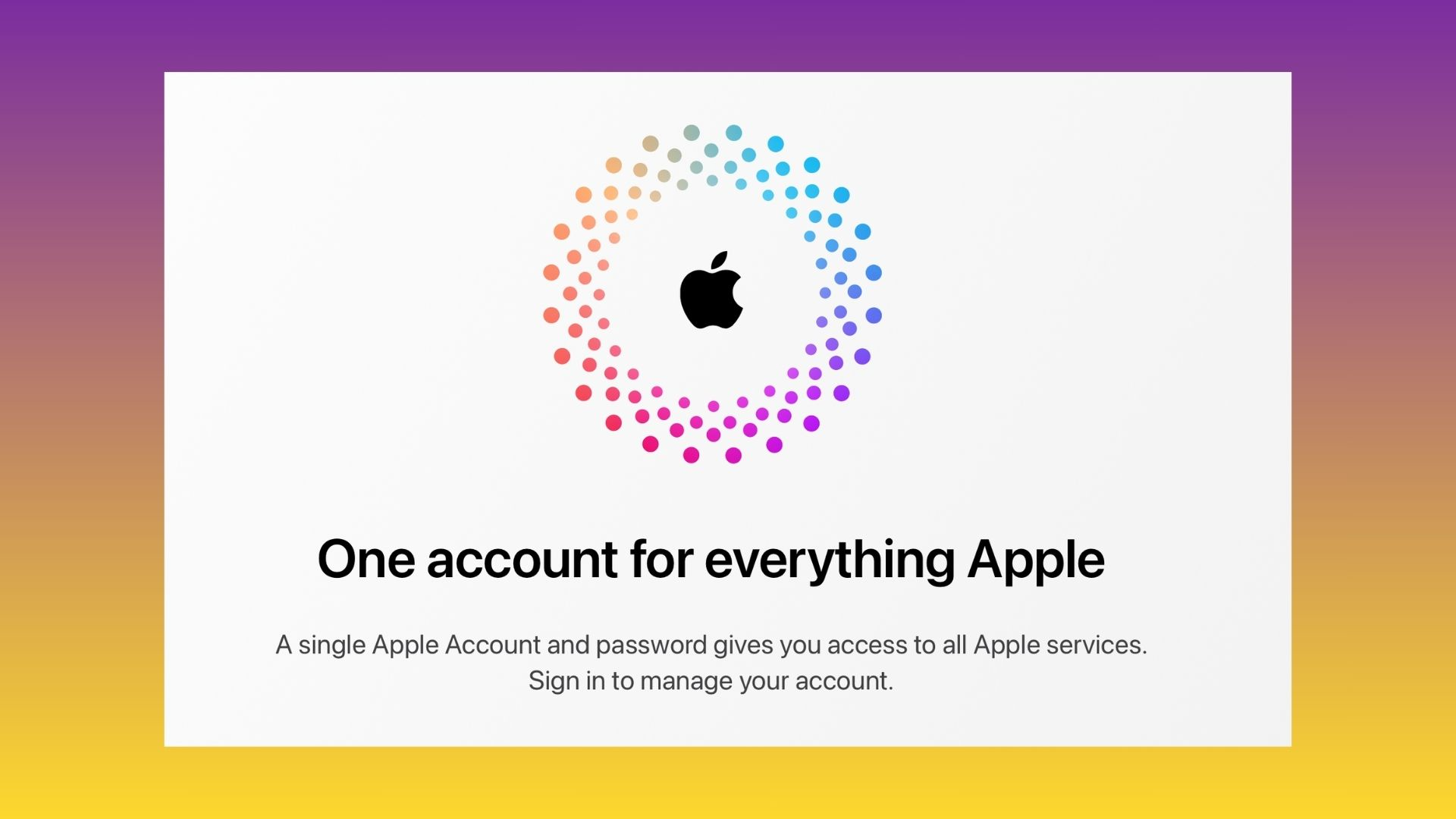
Apple ID is now Apple Account. It sounds minor, but it marks a deeper shift: from services to platforms, from logins to identities that shape digital life.


When Apple recently renamed the Apple ID to the Apple Account, it might have seemed trivial. But the change marks a quiet turning point in the architecture of digital life.
It signals that accounts are no longer just credentials to access services—they have become the operating core of a broader platform.
The distinction matters. IDs once functioned like keys: logins used to access discrete services such as email, maps, or cloud storage. These services were modular, often loosely connected, and replaceable.
But today’s accounts, Apple, Google, Microsoft, Meta, do far more. They bind together devices, identity, subscriptions, payments, communications, and content into a seamless (and often inescapable) digital ecosystem.
Gravity in Numbers
This shift isn’t abstract. The numbers reflect the gravity these accounts have accumulated:
- Google: Over 3 billion users rely on their Google Account to access Gmail, Drive, Docs, Maps, YouTube, Photos, and Android. The account spans personal life, work, authentication, payments, and cloud infrastructure.
- Apple: With over 1.8 billion active devices and more than a billion users, the Apple Account binds identity to hardware. It governs access to iCloud, iMessage, FaceTime, Apple Pay, subscriptions, backups, and increasingly, security credentials like passkeys.
- Microsoft: Tied to Windows (on 1.4+ billion devices), the Microsoft Account extends to Office 365, Teams, OneDrive, Xbox, and federated corporate identity through Azure AD (Entra ID).
- Meta: Though fragmented, Meta’s ecosystem spans over 3.2 billion daily users across Facebook, Instagram, WhatsApp, and Threads. While the account architecture remains messy, it shapes social identity, advertising reach, and digital presence for individuals and businesses alike.
These aren’t just logins. They are identity platforms—portals that govern who we are, what we access, and what we own across the digital landscape.
The Strategic Shift
The move from ID to Account reflects a deeper structural realignment:
| Then (ID = Access) | Now (Account = Platform) |
|---|---|
| Log in to use a service | Anchor identity across services and devices |
| Independent tools (e.g. Maps) | Integrated platforms (e.g. Apple ecosystem) |
| Password-based credentials | Biometric access, passkeys, 2FA |
| One-purpose login | Persistent multi-purpose digital identity |
The change in name from Apple ID to Apple Account reflects this evolution. It mirrors how Apple (and others) now view the account: not as a gateway to services, but as the foundation of a personal digital environment.
What Comes Next?
This development invites reflection. What happens when one of these accounts is lost, locked, or compromised? How recoverable is your digital life? Who owns your identity if it lives within someone else's platform? And how prepared are we, technically, legally, and emotionally, for this kind of entanglement?
Apple’s quiet renaming tells a louder story. As the digital world shifts from services to platforms, the account has become the new passport.
---
This article is part of a series on digital sovereignty and the future of platform identity.
 Kris Holt
 Matt Birchler
 Rob Hoeijmakers
 Dr Paris Buttfield-Addison