
Introducing the EU’s Digital Omnibus Proposal
The Digital Omnibus Proposal signals a shift in Europe’s approach to data and AI governance. Early awareness matters for those building digital tools.

Where I come from
Over the past months I have been looking more closely at how Europe is shaping the digital environment. It is a mix of personal curiosity and practical reality. The work I do with organisations depends on how we use data, automate processes and introduce AI into services that matter. Regulation is part of that reality, not a footnote.
What has happened
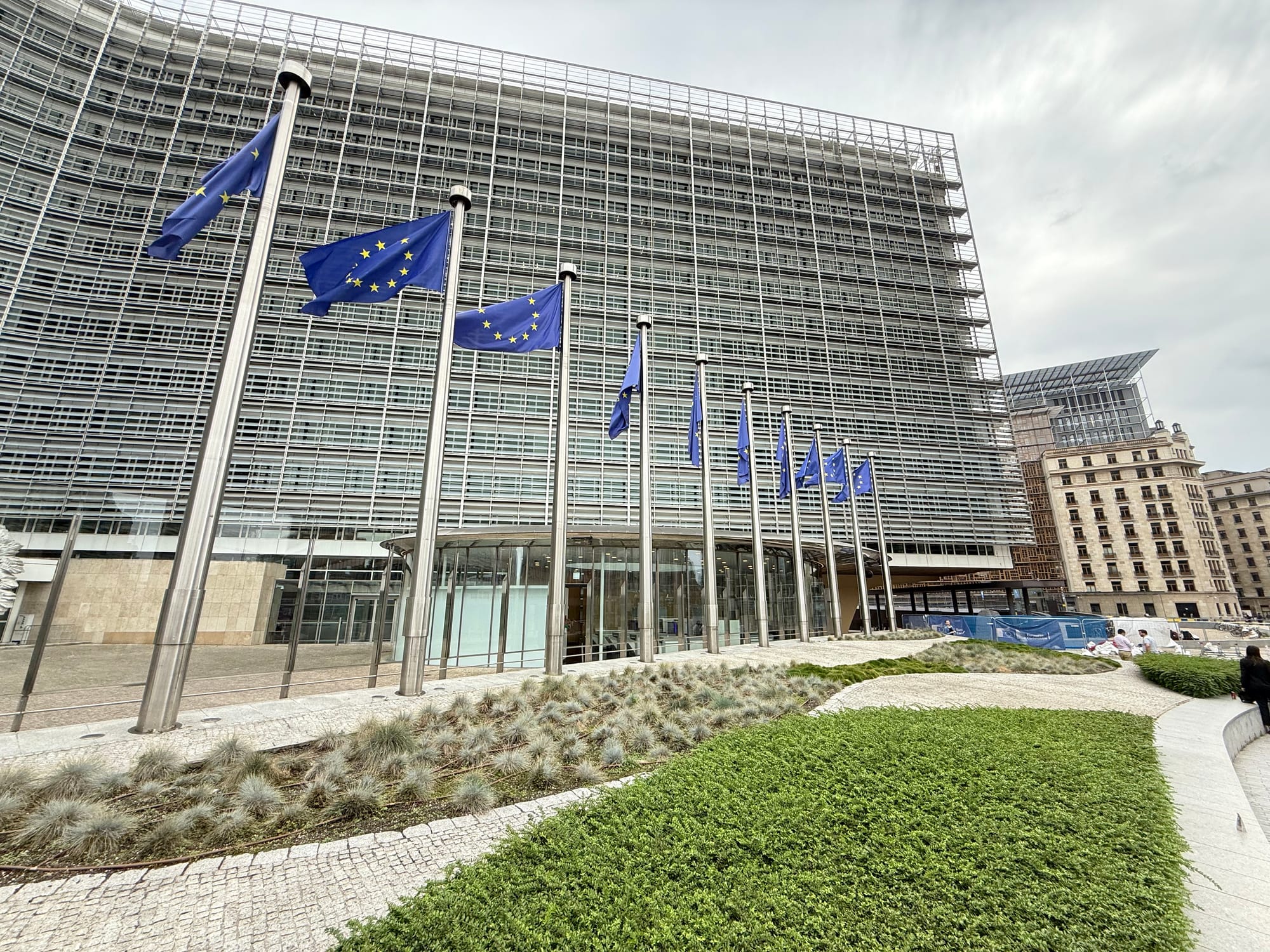
The European Commission has introduced the Digital Omnibus Proposal. On paper it sounds technical. In practice it adjusts a wide group of regulations that define how digital products work in Europe: GDPR, the AI Act, the Data Act and rules around cookies and consent.
The ambition is to simplify. Regulations that were written in parallel now need more alignment. The Commission wants to reduce overlap, remove friction and give Europe’s builders more confidence to innovate.

What it could mean in practice
The effects will arrive gradually and many will only notice when deadlines become visible. But it is already a signal that Europe is recalibrating how AI and data governance should work in everyday practice.
For people creating digital services, this matters. Architecture, governance and product design move slowly. Early awareness helps.
The human side
A recurring pattern in my work is how strongly people react to consent screens, forms and processing statements. Many do not understand what is happening to their data and instinctively assume the worst. That mistrust slows adoption, even of services that are safe and useful.
The current system often asks users to trust blindly. When trust must be given without clarity, suspicion becomes rational. If the Digital Omnibus can reduce opacity rather than only reduce burden, that would be a meaningful gain.
What happens next
This is a proposal from the European Commission. For it to become law it must now be negotiated and amended by the European Parliament and the Council of the EU. The final outcome could shift during that process. Timelines are still emerging, so it is worth keeping an eye on the next steps.
Why I am paying attention
I am not trying to become a legal interpreter. My interest is what this means for those designing and deploying real systems. Better aligned rules can remove hesitation. Clearer expectations can help smaller players act with confidence. A Europe that protects rights and still enables progress is a Europe with momentum.
This update is simply a marker. Europe’s pursuit of digital and AI capacity is entering a more practical phase. I plan to follow how this unfolds from a builder’s perspective.
 Rob Hoeijmakers
 Robert Hart
 Rob Hoeijmakers