Compute: A New Measure of the World
Compute once meant calculation. Now it shapes work, art, and power. An invisible current running through the modern world’s every action.

I was listening to Azeem Azhar speak about the rise of compute, the planetary build-out of data centres, GPUs, and artificial intelligence. His argument was that we are not simply investing in AI; we are industrialising computation itself. The numbers were staggering, but what caught me wasn’t the scale, it was the word compute. What does it actually represent?
Quick takeaways
- “Compute” has become a new kind of utility, the electricity of thought.
- We use it to extend logic, scale cognition, and simulate perception.
- Yet the human experience of all this remains strangely familiar.
- The deeper question is not whether we progress, but whether we can stop.
Reflection
A small video I once saw came to mind: a first-year computer-science lecturer telling his students that the course was not about computers. The term, he said, pre-dated the machine; a “computer” was once a person who computed. In that sense, compute is less a thing than an activity, a verb that escaped its subject.
When we speak of growing compute, we are really speaking of externalising more and more of what the mind can do. Early computation was bureaucratic: it helped us count, order, and store. Today it speaks, paints, and reasons with us. The instrument has entered the register of experience.
It feels inevitable, as if we are drawn along by the gradient of possibility itself. We compute because we can, and once we can, we must. The process satisfies both our instrumental needs, efficiency, mastery, labour, and our existential ones: expression, curiosity, play. The system feeds itself; the appetite grows with every new capacity.
Power and infrastructure
Yet behind this mental expansion lies a struggle for power that is anything but abstract. Compute is not evenly distributed; it pools where money, materials, and policy converge. The race to build new data centres and chip factories is also a race to secure influence over the world’s thinking infrastructure. Each processor carries a fragment of sovereignty.
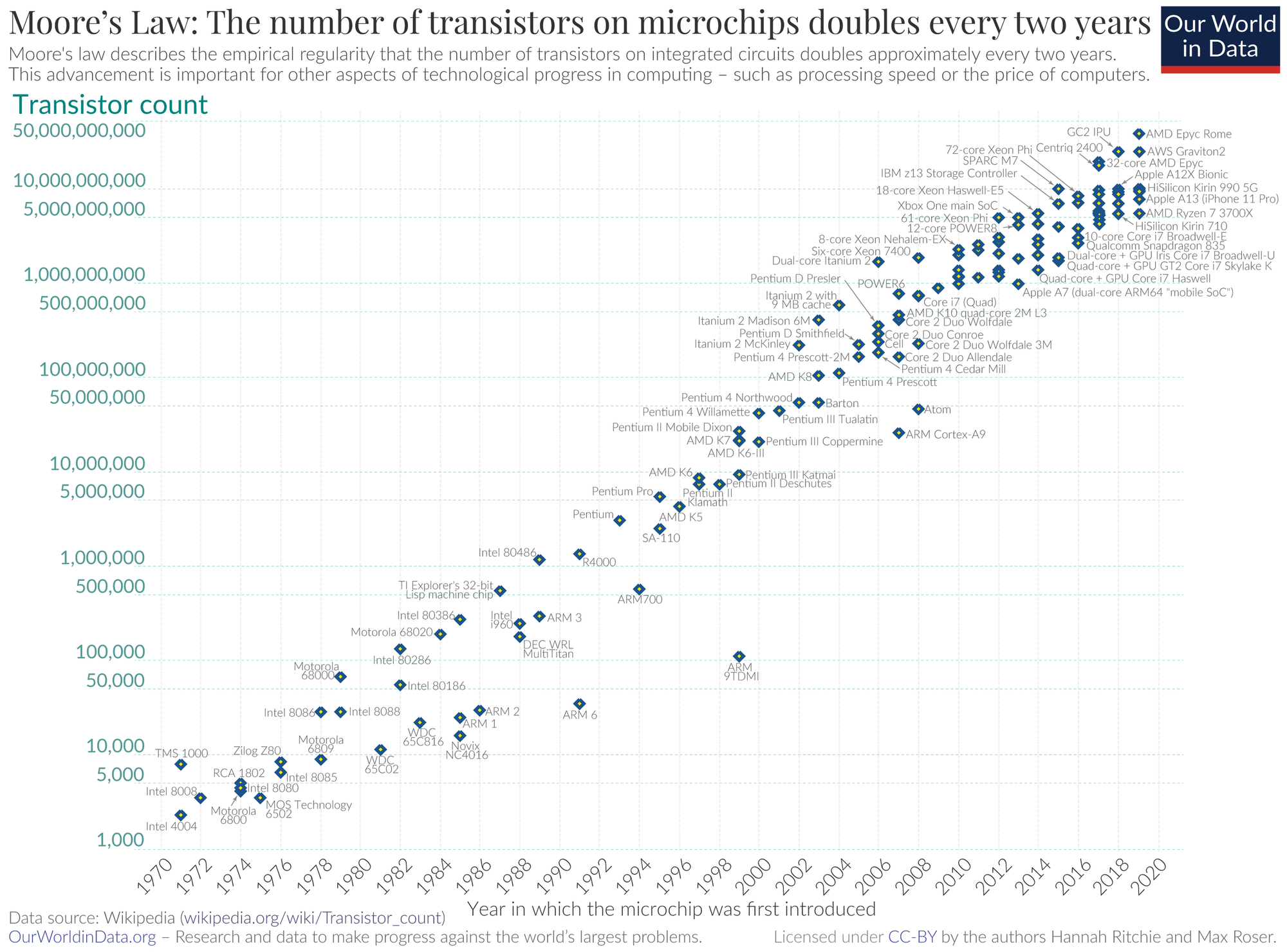
That is why governments treat semiconductors as strategic assets, why export bans feel like acts of war, and why companies invest trillions in hardware that few of us ever see. Control over compute is control over simulation, design, and decision, over how the future is imagined and executed.
Europe, with its rules and reflections, stands between dependence and autonomy, between ethical clarity and technological hesitation.
Closing
Perhaps that is why it feels both thrilling and weightless. We call it progress, but it may simply be the unfolding of what was always latent in our tools, the steady electrification of thought and feeling.
Whether this is advancement or merely continuation is a question only hindsight can answer, and by then the next layer of compute will already be running.
 Azeem Azhar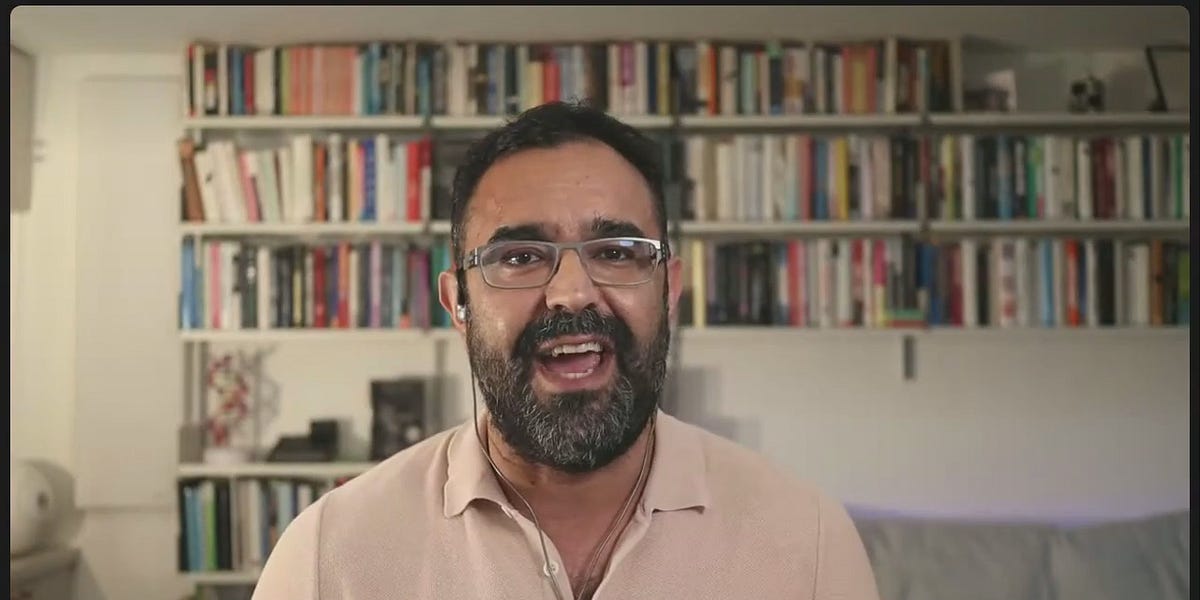
 See full bio
Where the compute lives.
 Rob Hoeijmakers
 Scott Guthrie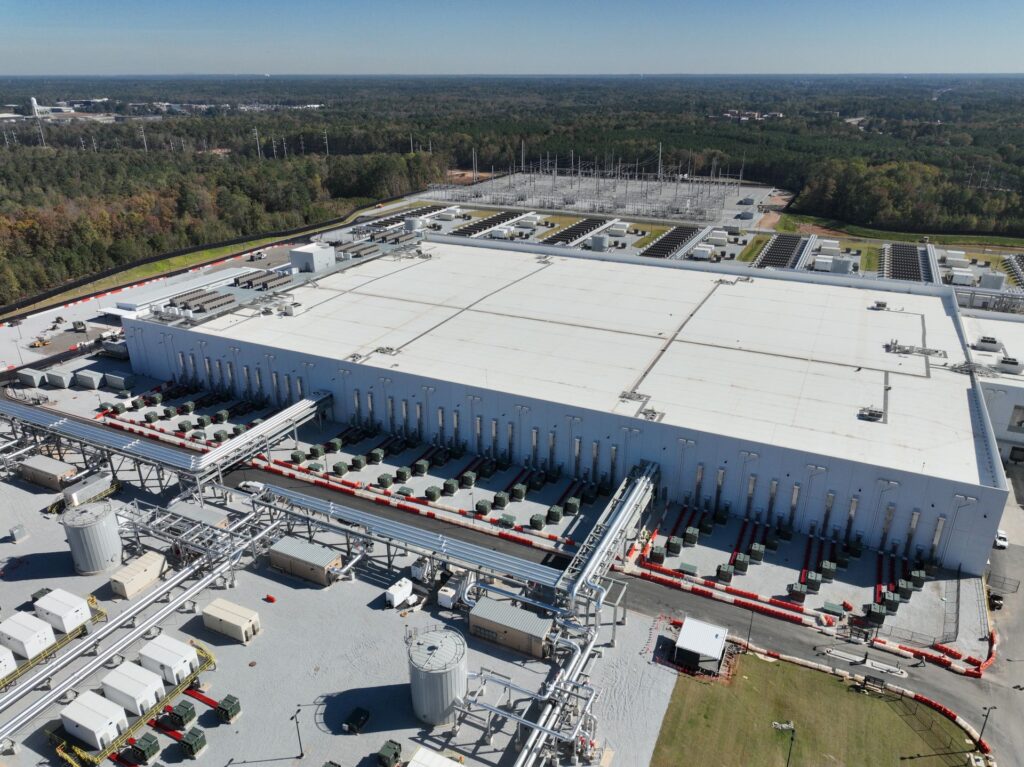
 Susan D’Agostino