Blogging year in Review 2025
A short reflection on writing, learning, and making deliberate choices in a year where the digital ground kept shifting.

Writing, agency, and staying coherent in a changing landscape
Looking back at 2025, what stands out most is not growth curves or individual articles, but the fact that writing itself remained enjoyable, even as almost everything around it shifted.
That may sound trivial. It isn’t.
For anyone writing about technology, AI, and digital life today, the conditions are volatile. Platforms change, discoverability shifts, and attention is increasingly fragmented, not just by other writers, but by AI systems themselves. Against that backdrop, continuing to write with curiosity and pleasure already matters.
This year confirmed something important: the system I work in still works.
Why this blog exists
This blog serves three purposes.
First, it is a place to learn in public. Writing is the thinking tool here. It allows exploration, testing understanding, and staying curious without pretending to have final answers.
Second, it functions as a relational surface. People find an article, recognise something of their own questions, and reach out. That mechanism still works, even as the routes people take to get here continue to change.
Third, it helps build a position in the space where I actually work: European digital and AI strategy. Not as branding, but as a long-form signal of how I reason, what I care about, and where I place responsibility.
Seen from that perspective, 2025 was not a straightforward year.
When infrastructure breaks
Early in the year, a domain change disrupted discoverability almost completely. Traffic dropped sharply. Articles were written into what felt like a vacuum. Later, I reverted to an older, long-standing domain and had to rebuild trust and visibility from there.
It was uncomfortable, and clarifying. Infrastructure matters, more than most writers like to admit.
At the same time, the environment shifted more broadly. Google search sent less traffic. Social media felt saturated. In parallel, articles were increasingly surfaced and used inside large language models and AI tools, often without showing up as traditional referrers at all.
Being read no longer always meant being visited.
That changed how success looked. Visibility became less about spikes and more about durability. Articles that explain, frame, or structure ideas continued to find readers, sometimes months later, sometimes indirectly.
 Rob Hoeijmakers
Workflow, tools, and enjoyment
Throughout all of this, the act of writing itself remained stable and enjoyable.
I still work in Markdown. I still publish with Ghost. I still combine text with photography, not because photography is my profession, but because it keeps my thinking grounded and observational. The workflow held up even as external conditions changed.
This was also the year where power tools became genuinely useful. Not in a way that pushed me to produce more, but in a way that increased control. Research, drafting, and editing became calmer and faster, freeing attention for judgement.
From volume to agency
Part of this year involved relatively high output. That was exploratory: mapping the terrain, stress-testing questions, seeing which themes persisted.
That phase is now largely complete.
What changed this year was not just efficiency, but agency. With better tools and more stable processes, it became easier to make deliberate choices: what to pursue, what to pause, and what not to do at all.
Less volume and more depth is not a productivity goal. It is an agency decision.
Structure and subtraction
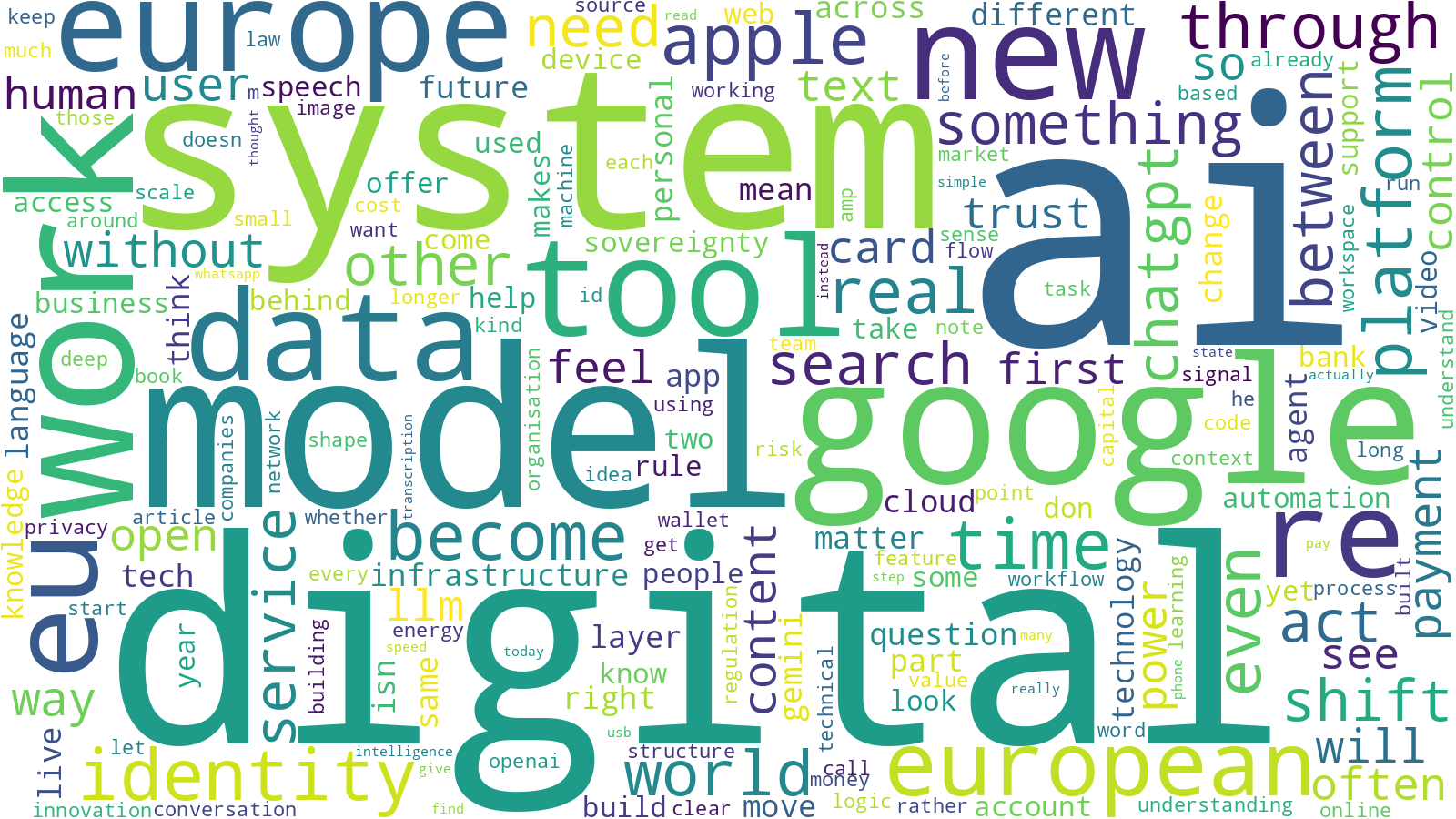
Midway through the year, it became clear that the accumulated writing needed better internal structure. A new taxonomy emerged. Some themes were sharpened, others explicitly named: European digital sovereignty, the future of work, finance and payment systems, and more foundational questions around infrastructure and agency.
At the same time, some things were deliberately removed.
A Dutch-language sibling blog was archived, not out of disinterest, but because it could no longer be maintained at the level it deserved. Writing in Dutch continued instead through guest contributions. Photography was clarified as foundational but not professional. Social profiles were refocused rather than multiplied.
These were not optimisations. They were acts of alignment.
What made the year successful
Despite the disruptions, readers kept finding their way here. Not in explosive numbers, but steadily, and often with thoughtful responses. New relationships formed. Existing ones deepened. Client work grew in ways that matched the direction of the writing.
That alignment matters more than raw traffic ever could.
If there is a single thread running through 2025, it is this: the blog continued to function as a stable learning and connection surface in an unstable digital landscape.
Looking ahead
That changes the posture for the year ahead.
Less volume, more depth. Building on established themes rather than constantly extending the map. Allowing for occasional exploratory pieces, but focusing primarily on consolidation, synthesis, and clarity.
The landscape will keep changing. Search will keep evolving. AI systems will mediate more reading and discovery.
What can remain stable is the practice: writing to learn, sharing to connect, and exercising agency in where attention and effort go.
Thanks for reading, following along, and reaching out when something resonated. I’m looking forward to continuing the conversation in the year ahead.
A selection of well read articles from the year 2025:
 Rob Hoeijmakers
 Rob Hoeijmakers
 Rob Hoeijmakers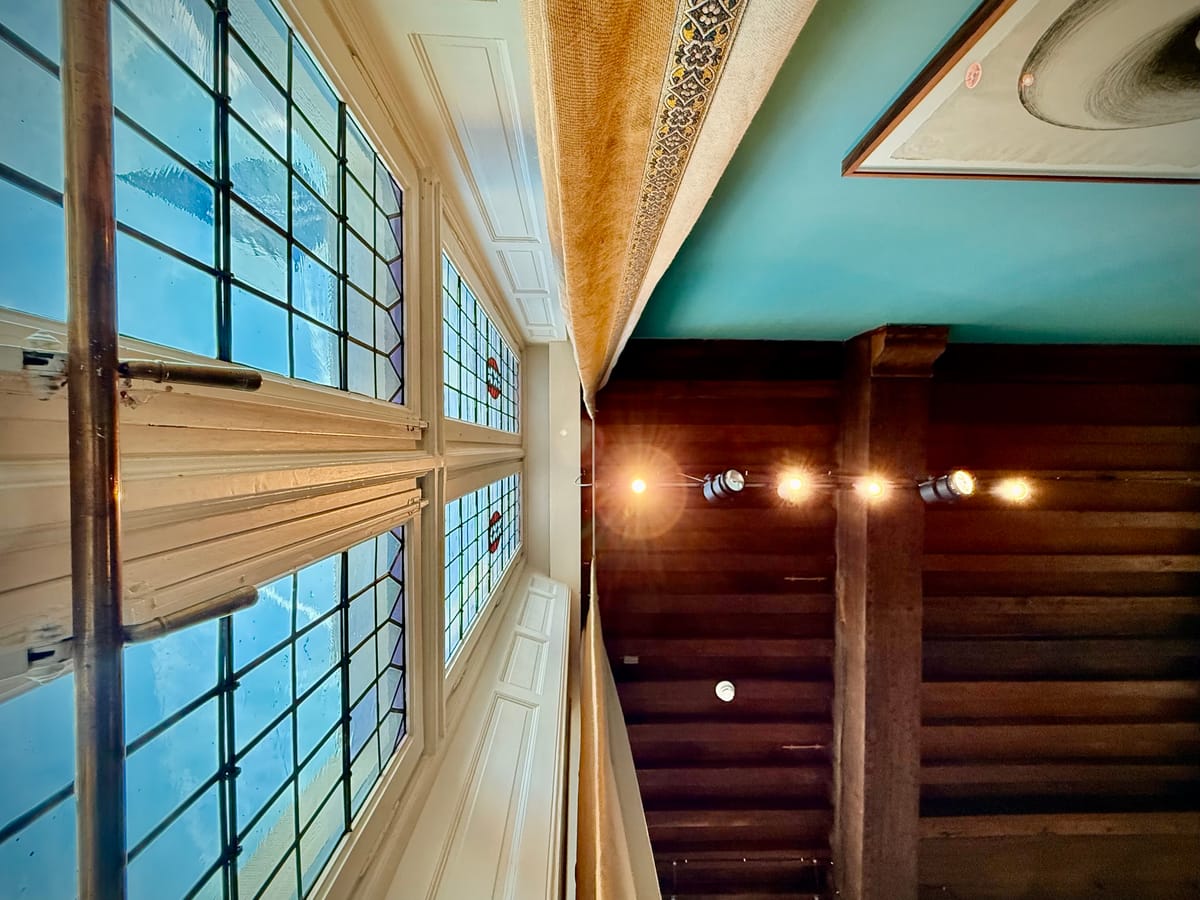
 Rob Hoeijmakers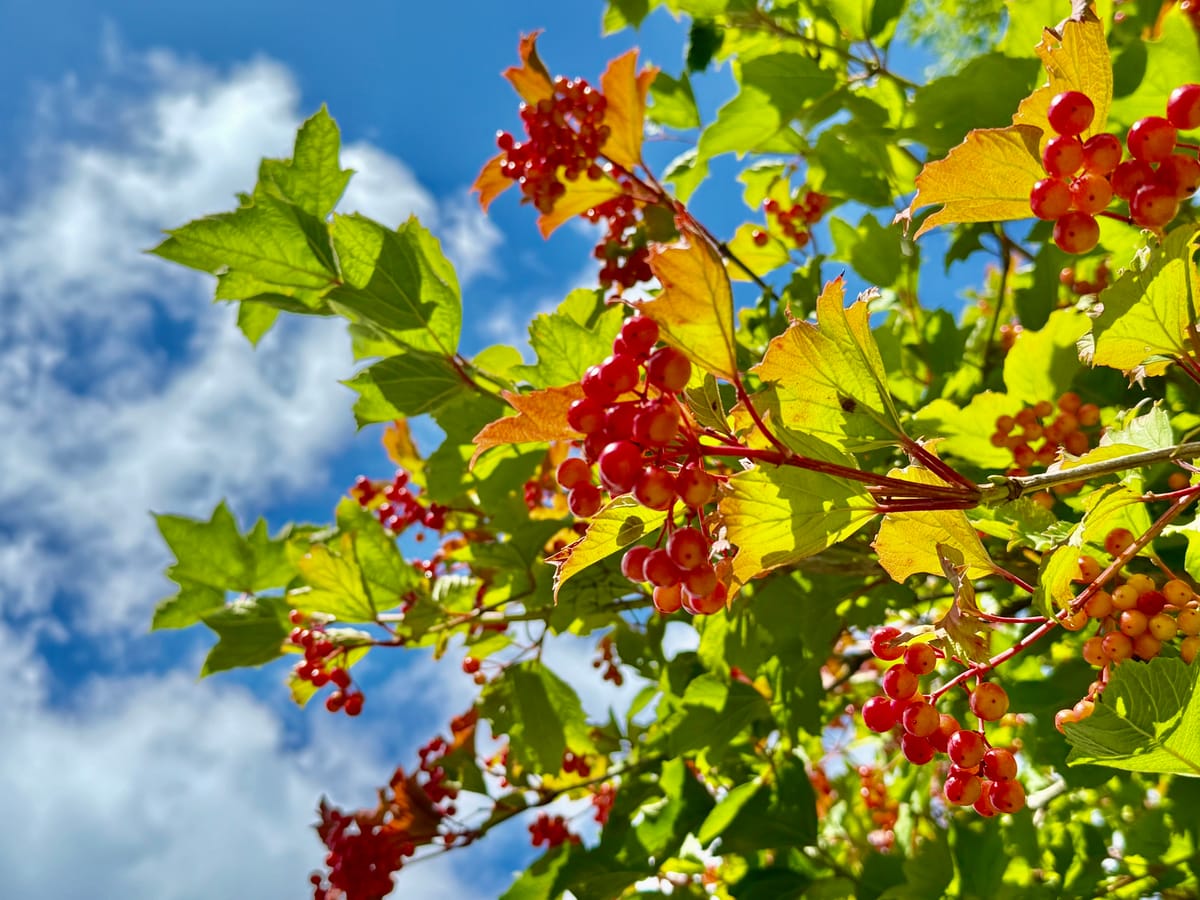
 Rob Hoeijmakers