
Apple Pay, Apple Wallet, Apple Card: How Apple Reshaped How Money Flows
While writing about how money flows, a simple confusion between Apple Pay and Apple Wallet exposes the hidden layers of modern payments and power.


I was working on an article called How Money Moves. Collecting scenes, interfaces, moments where money quietly moves from one place to another. Somewhere between screenshots and diagrams, something small but unsettling happened.
I realised that I had never really separated Apple Pay from Apple Wallet. In my head, they had always been the same thing. I pay with my phone. A card appears. Money moves. End of story.
That confusion is not careless. It is designed.
And once you notice it, an entire layer of modern payment infrastructure becomes visible.
Apple Wallet and Apple Pay are not the same thing
Apple Wallet is a container.
It holds credentials: payment cards, tickets, boarding passes, transit cards, keys, identity documents.
Apple Pay is a payment service.
It is the system that turns a stored payment credential into an authorised transaction.
As a user, you rarely experience them separately:
- You double-click.
- Wallet appears.
- Face ID confirms.
- The terminal beeps.
Visually, you are in Wallet.
Functionally and legally, you are using Apple Pay.
Wallet answers what you have.
Apple Pay answers how you pay.
The elegance of the system is that you are not asked to care.
The first layer: paying in a shop
The most familiar case is the physical point of sale.
Here Apple Pay behaves like an unusually capable contactless card:
- NFC handles proximity
- Face ID or Touch ID confirms intent
- a one-time token is generated
- the terminal never sees your real card number
From the outside, this looks like a card replacement. Underneath, it is a carefully choreographed interaction between device hardware, operating system, payment service, and card networks.
Visa or Mastercard rails still carry the transaction.
Banks still settle the money.
Apple controls the interface and the sequence.
The second layer: in-app payments
The picture changes when there is no terminal.
Inside apps, Apple Pay becomes more than contactless. It becomes a secure authorisation layer:
- no NFC
- no form filling
- no card details passed to the app
The device identifies the user.
Apple Pay confirms intent.
The app receives confirmation, not credentials.
Here Apple Pay starts to resemble identity infrastructure as much as a payment method. The same gesture now works without physical presence.
The third layer: paying on the web
Online, Apple Pay quietly competes with iDEAL, PayPal, and card entry forms.
In Safari:
- a button appears
- Face ID confirms
- the transaction completes
The similarity with iDEAL is striking from the user’s point of view. One action, strong trust, fast completion.
The architecture, however, differs completely.
iDEAL starts at the bank and pushes money.
Apple Pay starts at the device and pulls via card rails.
Same outcome. Different centre of gravity.
A geographical extension: Apple Card
In the United States, Apple goes one step further.
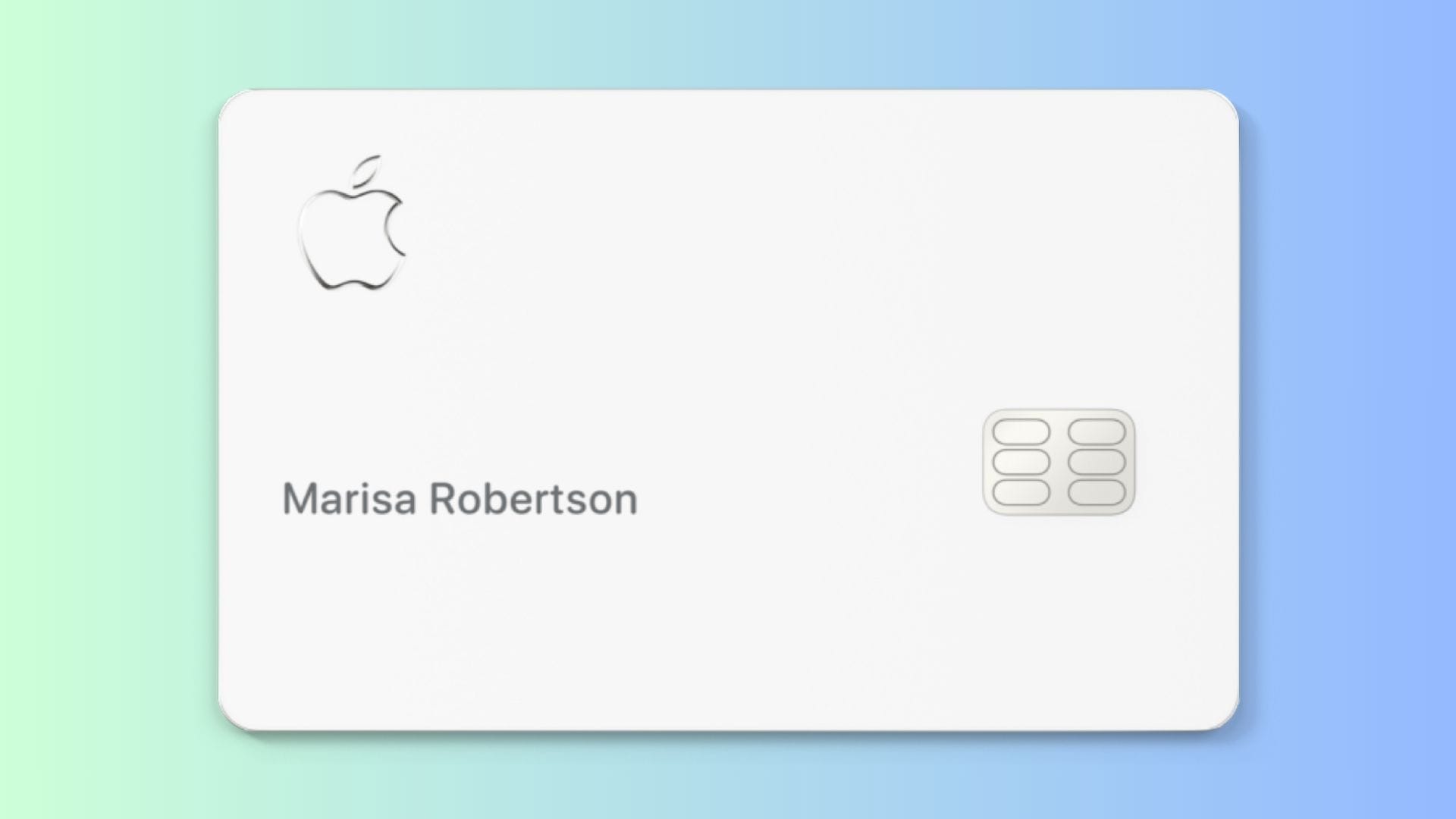
Apple Card is a credit card designed by Apple, issued by Goldman Sachs, and running on Mastercard rails. It lives almost entirely inside Apple Wallet.
Apple does not become a bank here.
It becomes the primary interface to the bank.
- transactions are visualised in Wallet
- rewards are calculated there
- support starts there
- the physical card is secondary
Apple Card only exists in the US. That constraint is revealing. Consumer credit law, risk models, and regulation differ sharply across regions. Apple advances where the stack allows it, and stops where it does not.
What this reveals about how money flows
None of this changes how money ultimately moves.
Banks still hold accounts.
Card networks still run rails.
Settlement still follows familiar paths.
What changes is where trust is anchored.
Not in the plastic card.
Not in the checkout.
But in the user–device pair.
Apple Pay works in shops, apps, and browsers because it is not tied to a place. It is tied to identity, hardware, and control over the payment moment.
The reason Apple Pay and Apple Wallet blur together is not marketing. It is strategy. The container is what you see. The service is what acts. The infrastructure stays politely out of frame.
Until you stop and look.
 Rob Hoeijmakers