
The Silent Upgrade: What Really Changed When Our Bank Replaced Our Cards
Our bank quietly replaced our cards. Everything worked, yet behind that smooth process lies a major shift in how payments and digital identity work.


Our business recently received new cards from our Dutch bank.
At first glance, nothing special. Just a smooth, well-organised process: new debit cards, new credit cards, everything arrived on time, activation went flawlessly.
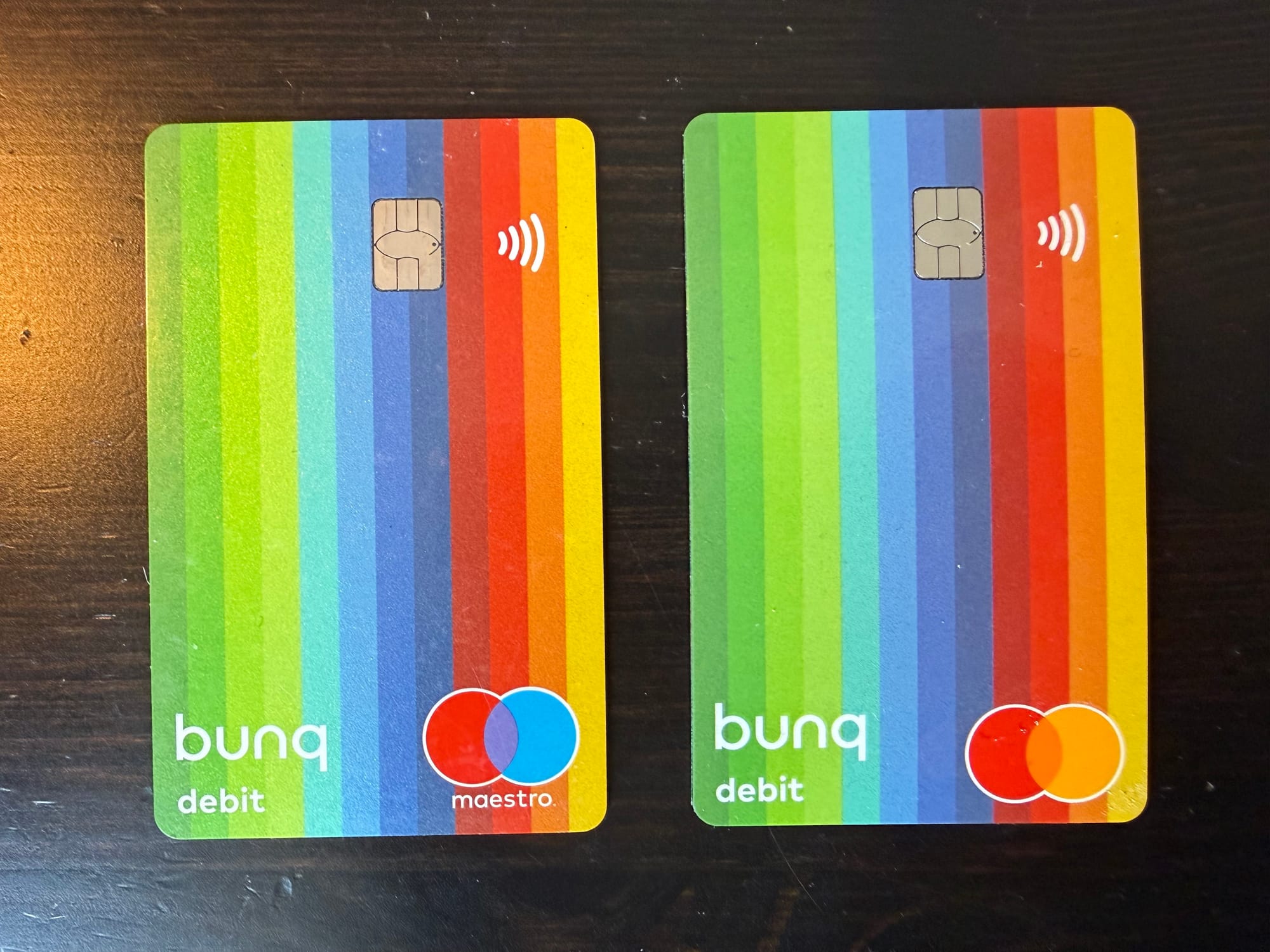
But the moment I noticed the new Mastercard Debit logo instead of the old Maestro one, I realised something had quietly shifted. And as it turned out, this was not just a rebrand or a renewal cycle, it’s part of a much larger transformation in how payments, identity, and digital infrastructure work.
So I decided to figure it out. Here’s what’s really going on, and why it matters more than you’d expect.
From Maestro to Debit Mastercard
For decades, Maestro was Europe’s standard debit network. It worked but only within its own boundaries. Payments were authorised in real time, tied to your IBAN, but the card couldn’t be used everywhere online, and many global merchants didn’t support it.
Mastercard has now replaced Maestro with Debit Mastercard, which operates on the same global network as its credit cards.
That means one infrastructure for both debit and credit, one set of security standards, and one model for digital payments.
On paper, nothing changes for you. Your money stays in the same account; your IBAN remains the same.
But under the surface, your card, and every card in Europe, is in a switching process for their networks.
The New Layer: PAN, Tokens, and Wallets
What makes this upgrade significant is not the card itself, but the architecture behind it.
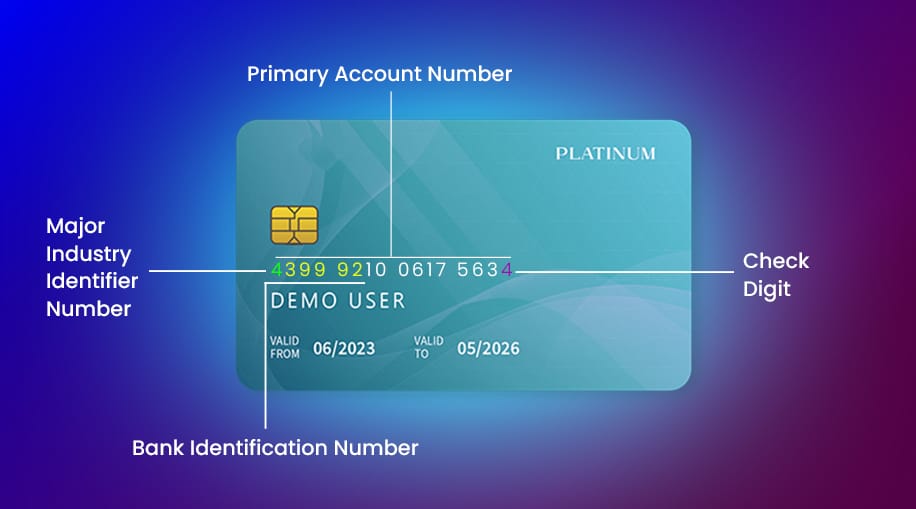
Your Debit Mastercard now has a PAN (Primary Account Number), a 16-digit identity, separate from your IBAN. This PAN can be tokenised: converted into secure, digital representations that work in Apple Wallet, Google Pay, or on merchant platforms.
That’s why when the new card arrived, I didn’t have to do anything in Apple Wallet. The digital token updated automatically, no re-adding, no new numbers.
The connection between my bank, Mastercard’s token service, and Apple Pay handled the entire update silently in the background.
It’s the same reason why, around the same time, our credit card (used for Google Workspace payments) also got a new number and Google updated it automatically.
Both cards were renewed through the same tokenisation infrastructure, even though they’re different products.
Where This Meets Daily Business
This is where the change stops being abstract.
If you run payments, manage subscriptions, or make online purchases for your business, you’ll run into this sooner or later.
Suddenly, you’ll need to know where to find your card details because the new physical cards often don’t have numbers printed on them anymore.
Colleagues used to reaching for a card to type in details will now have to open the banking app, copy the virtual card number, and sometimes check the CVC there.
That’s not a technical issue. It’s a shift in how we handle everyday operations.
The update makes everything safer and smoother in the long run, but it also means teams need to adapt, especially people who don’t think about payment networks or card architecture for a living. They just want things to work. And as a business, it becomes part of your job to make sure they do.
If you use Safari’s Autofill for payments, update your card in Safari → Autofill → Credit Cards (Mac) or Settings → Safari → Autofill → Saved Credit Cards (iPhone/iPad). When iCloud Keychain is on, Safari securely syncs your new card across all your Apple devices, so you only need to update it once.
Why This Matters for Businesses
For users, this is convenience.
For businesses, it’s infrastructure.
- Continuity: recurring payments keep working even after a card is replaced. No more failed subscriptions because of expired cards.
- Security: merchants never see your actual card number, only a token that can be revoked or rotated.
- Automation: updates happen centrally through the Mastercard network, not through manual customer actions.
From a business administration standpoint, this also changes how payments behave in the background.
Your accounting systems will still match transactions by IBAN, but card-based payments may now show up differently, it goes through Mastercard’s network identifiers instead of Maestro’s.
It’s a small detail, but one that signals how the identity of money is becoming digital, governed by tokens, not numbers.
The Bigger Picture
This isn’t just a technical update.
It’s a reflection of how payment systems are evolving in step with the rest of the digital economy.
- Payments become identity: your card is no longer just a piece of plastic; it’s a verified digital credential.
- Networks become invisible: banks, tech platforms, and merchants are now part of one automated layer that quietly keeps things in sync.
- Europe catches up: with Maestro retired, European debit cards are now compatible with global payment standards, essential for cross-border business and e-commerce.
In short, what looked like a simple card replacement is actually a migration of trust. From physical cards to digital identity systems.
A Quiet Revolution
So yes, the process went smoothly.
But behind that silence, a lot changed.
If you run a business, manage online payments, or handle subscriptions, this is worth understanding.
Your debit and credit cards now live in the same digital ecosystem and that ecosystem is designed for a world where payments, authentication, and automation are all connected.
Sometimes the biggest shifts in technology aren’t loud. They arrive in the post, in a small white envelope, with a note that simply says: your new card has arrived. (And yes, it will probably haunt us all for a while).
 Rob Hoeijmakers
 Rob Hoeijmakers
 Rob Hoeijmakers