
Qivalis, a New Euro Stablecoin
A new euro stablecoin from Europe’s major banks shifts stablecoins from the margins into the financial system and strengthens the euro’s digital foundations.


News of a new euro stablecoin caught my eye this week. At first it felt familiar. I had used a euro-pegged token before, so this did not look like a breakthrough. Stablecoins have been around for years.
Then I saw who stood behind it: a new company called Qivalis, jointly owned by some of Europe’s largest banks. That small detail changes the entire meaning. It turns a niche instrument into part of Europe’s financial architecture.
 Qivalis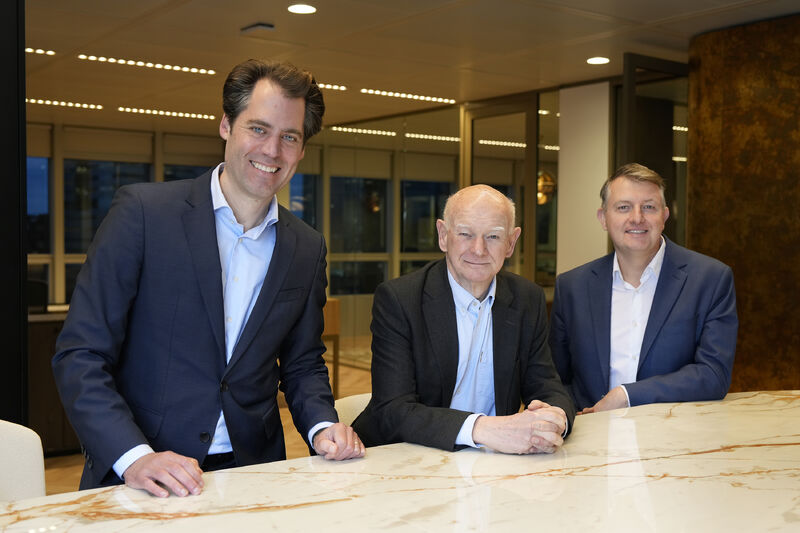
Quick takeaways
- Euro stablecoins existed before, but none had institutional weight.
- Qivalis is a company owned by major European banks and is built as infrastructure.
- Stablecoins use different financial rails from traditional payments.
- The euro lacked strong digital rails and often ceded ground to the dollar.
- The project fits into a wider European push for financial sovereignty.
What a stablecoin is
Stablecoins are simple at their core. They are digital tokens that follow the value of a currency and are backed one-to-one by reserves. In this case, each token represents one euro, not in a bank account but in a programmable digital form.
They are not new. Fintechs have issued euro tokens for years. You could already use them in certain wallets or on some exchanges. But they never became part of Europe’s mainstream financial systems.
What “rails” actually mean
Rails are the infrastructure along which payments travel.
- When you make a bank transfer, the payment runs on SEPA.
- When you use a card, the transaction runs on Visa or Mastercard.
- When you tap your phone, it runs on Apple Pay as an interface on top of bank rails.
These are all rails: the underlying systems that carry money from one place to another.
Stablecoins run on a different type of rail.
Instead of moving through banks or card networks, they settle value directly across distributed, programmable systems. There is no need for correspondent banks or multi-day clearance. The rails are written in software.
This difference is why stablecoins matter more than the tokens themselves.
Why earlier euro stablecoins stayed marginal
Earlier euro-stablecoins were useful for developers and specific trading platforms, but they remained peripheral.
They lacked:
- large-scale liquidity
- recognition by banks
- integration with payment systems
- institutional trust
- regulatory backing under the new MiCA framework
They existed, but they did not shape the financial plumbing.
As a result, most digital settlement defaulted to the dollar. Not because the dollar is inherently better, but because the dollar had digital rails and the euro largely did not.
Enter Qivalis
Qivalis is different because of who created it.
It is a new company, jointly owned by major European banks such as ING, UniCredit, BNP Paribas, KBC and others. This changes the purpose entirely.
Qivalis is designed as:
- infrastructure, not a product
- part of the European settlement layer
- fully regulated under MiCA as an e-money token issuer
- interoperable with banking and payment systems
- suitable for institutional and cross-border use
This gives the euro a credible presence inside the programmable layer of finance.
It is not a niche tool anymore; it becomes part of the mainstream rails.


The sovereignty angle
Sovereignty here is not a grand statement. It is practical.
Europe has seen how digital payments and tokenised markets drift toward American infrastructure. US dollar stablecoins dominate because they are easy to use and deeply integrated. European firms using them implicitly rely on US technology, US liquidity pools and US regulatory regimes.
A bank-issued euro stablecoin changes the balance.
It allows European institutions to transact in euros without passing through foreign rails.
It aligns with EU rules on privacy, identity and compliance.
It strengthens the euro by strengthening its digital foundations.
This is sovereignty expressed in infrastructure rather than rhetoric.
Closing
I find it helpful to view developments like this not as financial novelties but as adjustments to the foundation. Money is only part of the picture. The rails beneath it determine who sets the rules, who has leverage, and how value moves in a digital economy.
With Qivalis, Europe adds an essential piece that was missing: a euro that can travel at the speed of software, on its own terms.
 Estefano Gomez


 Rob Hoeijmakers
 Rob Hoeijmakers