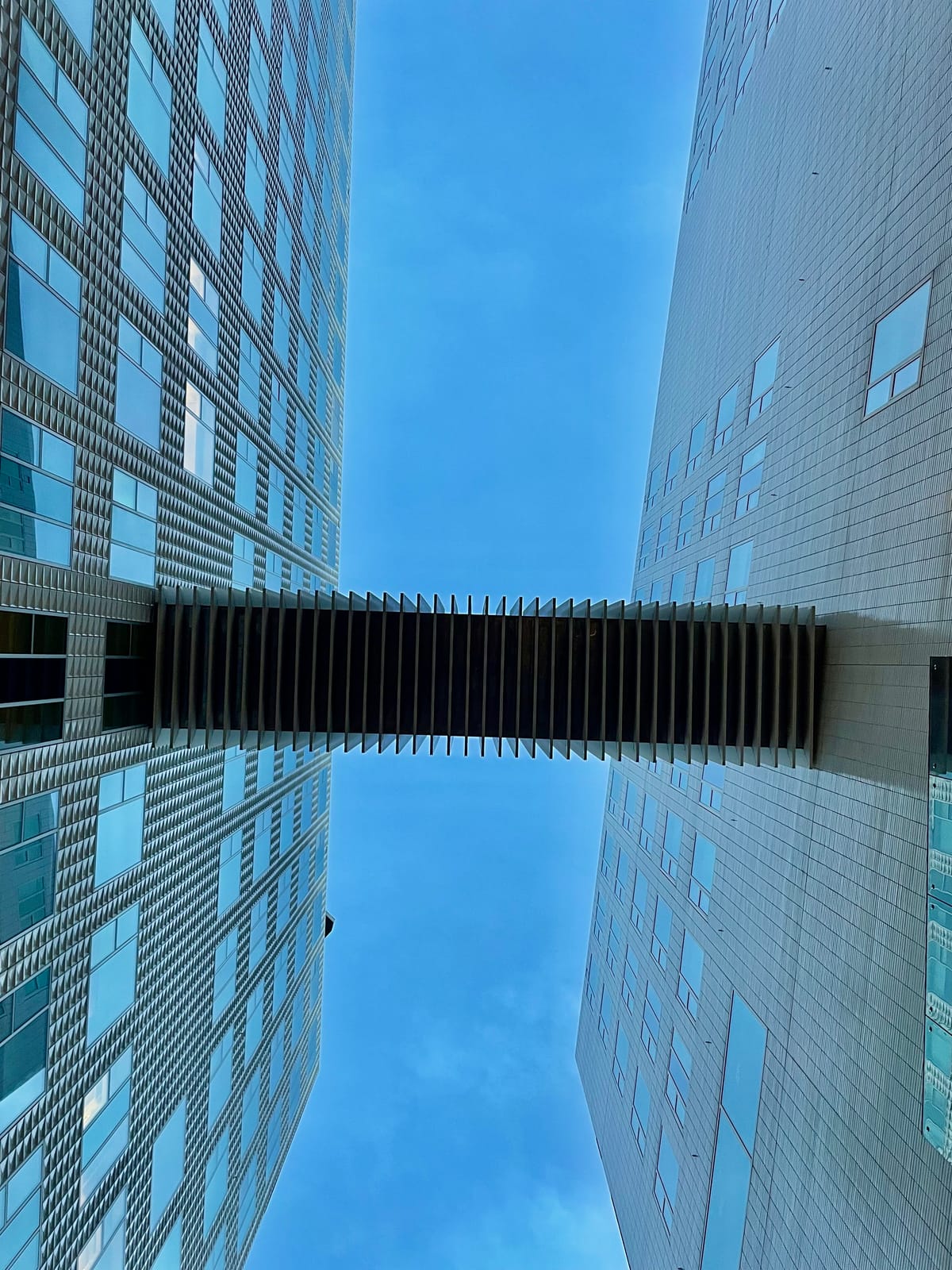
Leuven's quiet superpower: imec
Imec in Leuven just received the world's most advanced chip machine. The story of how a small Flemish city became a global semiconductor choke point starts in 1984.

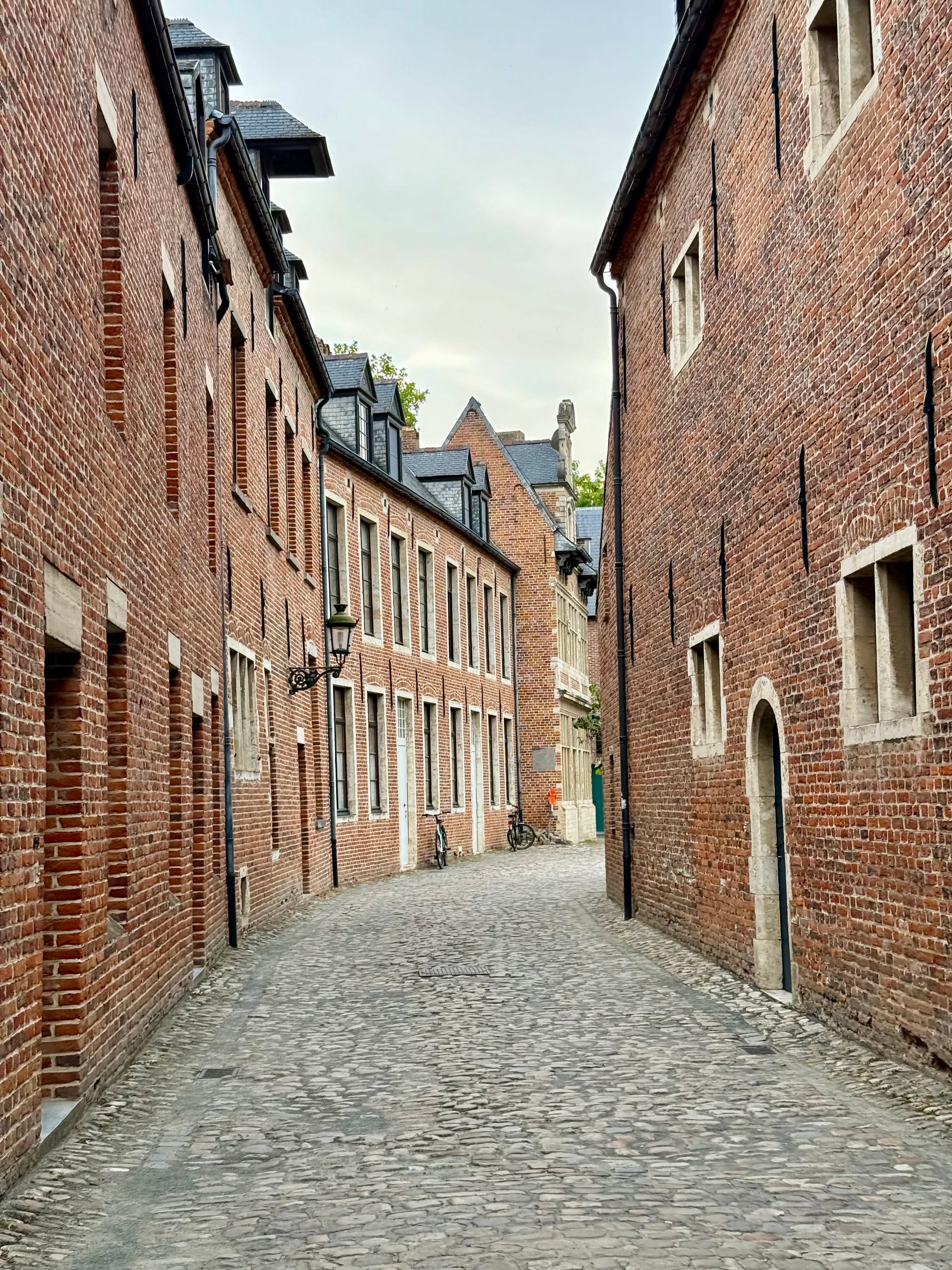
I visited Leuven last year. Beautiful city, perfectly preserved, Gothic town hall, students everywhere. On its edge I walked past a modern building with the name imec on it. It looked serious. I had no idea what it was.
Turns out it might be one of the most strategically important buildings in the global semiconductor industry.
Nobody's chip company
Imec employs researchers from over a hundred countries and holds no manufacturing lines of its own. It is, by design, nobody's chip company. That turns out to be the point.
In 1984, the Flemish regional government did something unusual. It didn't attract a semiconductor manufacturer, or subsidise an existing one. It funded a research commons: a neutral laboratory where competitors could work on shared problems without handing advantage to a rival. The founding team were young researchers, several of them returned from Silicon Valley, backed by a government willing to think in decades rather than quarters. They called the ambition a SuperLab. It became imec.

The paradox
Most technology clusters form around an anchor company: ASML in Eindhoven, ARM in Cambridge. Leuven built the infrastructure first and let the ecosystem follow. Because Belgium had no dominant chip producer to protect, imec could be structurally neutral. Intel, Samsung, TSMC and others could collaborate there without the research benefiting a direct competitor. The absence of a national champion was the founding condition for a global one.
Nine days ago
That neutrality is now carrying serious weight. On March 18, imec announced the installation of the ASML EXE:5200: the most advanced lithography machine in existence, one of fewer than a dozen available anywhere in the world, valued at $400 million. It sits in imec's cleanroom in Leuven, available to the global ecosystem of chip makers, materials suppliers and research partners. Not owned by one company. Shared, on neutral ground, to accelerate what comes next. The machine targets sub-2nm chip development, territory that doesn't yet exist in commercial production.

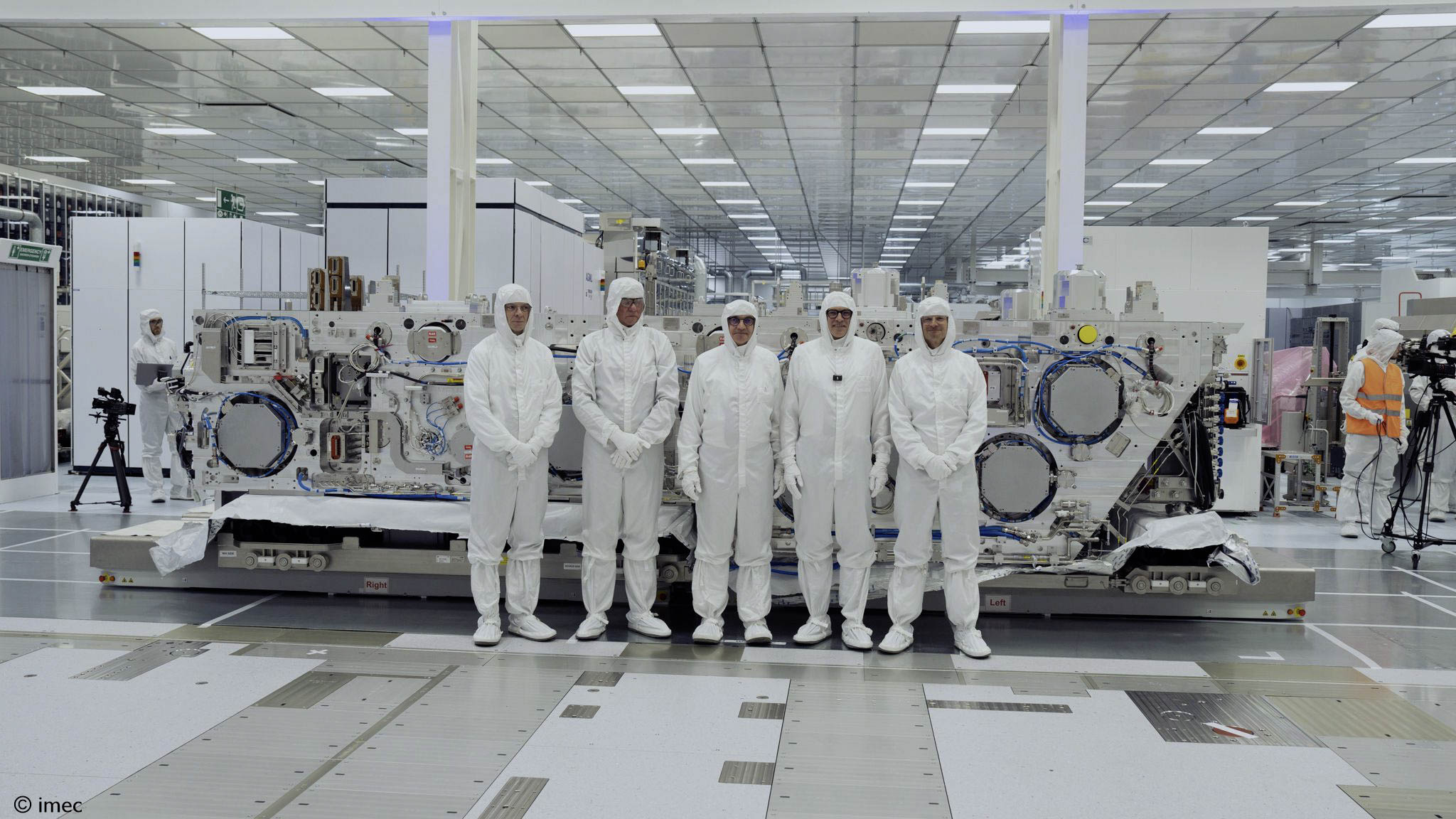
Forty years after the SuperLab idea, the logic holds. Europe doesn't manufacture the world's leading chips. But it owns two of the choke points that make those chips possible: ASML builds the only machines capable of printing them, and imec is where the industry learns how to use what comes next.
Invention, not policy
What did the Flemish government actually build in 1984? A research institute, formally. But the design choices, non-profit structure, university roots, enforced neutrality, long time horizons, were not incidental. They were the product. Imec works because of what it was prevented from becoming as much as what it was built to be. That's closer to invention than policy.
The EU Chips Act is now directing billions toward semiconductor capacity across Europe, and imec sits at the centre of it. But imec's CEO Luc Van den Hove is more cautious than the policy framing suggests: allied collaboration, not autarky. The chip supply chain is too interdependent to be repatriated. What Leuven has can't be replicated by a funding announcement. It took forty years to build, and required above all the discipline not to turn it into something else along the way.
 Rob Hoeijmakers
 Rob Hoeijmakers
 Rob Hoeijmakers